
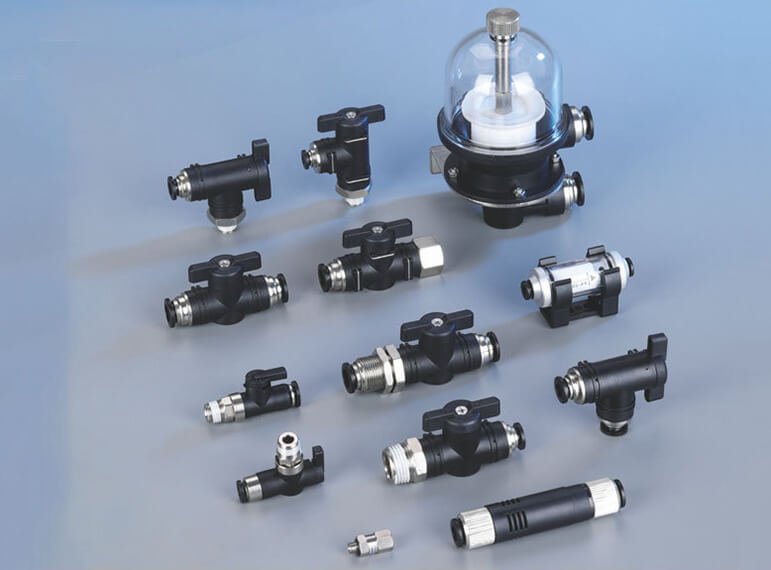
Choosing the right fittings for fluid power systems is crucial to ensure safety, efficiency, and longevity. Hydraulic and pneumatic systems, while similar in their purpose of transmitting power, operate under very different principles. The fittings used in these systems are specifically designed to handle the unique demands of liquids or gases under pressure.
In this article, we’ll explore the key differences between hydraulic and pneumatic fittings, helping you make informed decisions for your applications.
Basics of Hydraulic and Pneumatic Systems
What Is a Hydraulic System?
A hydraulic system uses liquids (typically oil) under pressure to transmit power. These systems are known for their ability to handle extremely high pressures and deliver immense force, making them ideal for heavy machinery such as excavators and industrial presses.
Key Features of Hydraulic Systems:
- Use incompressible fluids to transfer energy.
- Operate under high pressure, often exceeding 1,000 psi.
- Provide precise control and smooth movements.
What Is a Pneumatic System?
A pneumatic system, in contrast, uses compressed gases (usually air) to transfer power. These systems are lightweight, clean, and well-suited for environments where speed and simplicity are prioritized.
Key Features of Pneumatic Systems:
- Use compressible gases to transfer energy.
- Operate under lower pressures, typically under 150 psi.
- Focus on speed, flexibility, and lightweight design.
What Are Hydraulic and Pneumatic Fittings?
Purpose of Fittings in Fluid Power Systems
Fittings play a critical role in connecting components within hydraulic and pneumatic systems. They ensure that fluid or gas flows smoothly without leaks, pressure drops, or contamination.
Hydraulic Fittings
Hydraulic fittings are specifically engineered for high-pressure applications. They are made from durable materials such as steel or brass to withstand the intense forces exerted by incompressible liquids.
Key Characteristics of Hydraulic Fittings:
- Strong, durable, and designed for pressure resistance.
- Use advanced sealing methods, like O-rings or ferrules, to prevent leaks.
- Commonly found in construction machinery and industrial equipment.
Pneumatic Fittings
Pneumatic fittings are designed to handle lightweight and flexible systems. They prioritize ease of installation and quick connections, often using push-to-connect mechanisms.
Key Characteristics of Pneumatic Fittings:
- Made from lighter materials like aluminum, brass, or plastic.
- Built for lower pressure environments.
- Popular in automation systems and packaging equipment.
Material Differences
Hydraulic Fittings: Built for Strength
Hydraulic fittings are made from strong and durable materials to withstand the high pressures and stresses of hydraulic systems. Common materials include:
- Steel: Known for its exceptional strength, steel is often used in heavy-duty applications.
- Stainless Steel: Provides excellent corrosion resistance, making it suitable for harsh environments.
- Brass: Offers a balance of strength and resistance to corrosion, typically used in moderate-pressure systems.
The choice of material ensures that hydraulic fittings can handle intense pressure without deformation or failure, even in demanding conditions.
Pneumatic Fittings: Prioritizing Lightness
Pneumatic fittings are crafted from lightweight and economical materials to suit the needs of air-based systems. Typical materials include:
- Aluminum: Lightweight and corrosion-resistant, ideal for portable applications.
- Brass: Combines durability with affordability, commonly used in pneumatic circuits.
- Plastic: Lightweight and cost-effective, suitable for low-pressure applications and environments where metal might corrode.
The focus on lighter materials makes pneumatic fittings easier to install and more cost-effective for low-pressure systems.
Design and Structural Differences
Hydraulic Fittings: Engineered for High Performance
Hydraulic fittings are designed to handle extreme pressures and heavy-duty use. Key design features include:
- Thicker Walls: Ensure durability under high pressure.
- Advanced Sealing Mechanisms: Such as O-rings, ferrules, or cone seat designs to prevent fluid leaks.
- Threaded or Flanged Connections: Offer a secure and leak-proof fit.
These features make hydraulic fittings well-suited for applications like construction equipment, industrial machinery, and marine systems.
Pneumatic Fittings: Simplicity and Speed
In contrast, pneumatic fittings focus on ease of use and quick connections. Their design prioritizes flexibility and operational efficiency, featuring:
- Push-to-Connect Mechanisms: Allow for fast and tool-free assembly.
- Compact Structures: Save space and weight in pneumatic systems.
- Swivel Fittings: Provide additional flexibility for moving parts.
The lightweight and modular design of pneumatic fittings is ideal for automation systems and packaging machines.
Pressure and Temperature Handling
Hydraulic Fittings: High Pressure and Temperature Resilience
Hydraulic systems operate at extremely high pressures, often exceeding thousands of psi, and under various temperature ranges. As such, hydraulic fittings are designed to:
- Withstand High Pressure: Thick walls and robust sealing prevent leaks and ruptures.
- Handle Extreme Temperatures: High-quality materials ensure performance in both cold and hot conditions, such as in arctic or desert environments.
This resilience makes hydraulic fittings essential for applications requiring reliable performance under harsh conditions.
Pneumatic Fittings: Moderate Pressure, Lower Temperature Needs
Pneumatic fittings typically handle lower pressures, often under 150 psi, due to the compressibility of air. They are also designed for moderate temperature ranges, as pneumatic systems don’t typically operate in extreme heat or cold.
Key characteristics include:
- Lower Pressure Tolerance: Ensures safety and efficiency in lightweight systems.
- Simpler Temperature Resistance: Plastic or brass materials are sufficient for most environments.
These capabilities make pneumatic fittings a practical choice for clean, lightweight, and flexible operations.
Sealing Mechanisms
Hydraulic Fittings: Robust and Leak-Proof
Hydraulic systems operate under extreme pressure, making leak-proof seals a necessity. Common sealing mechanisms include:
- O-Rings: Flexible, rubber-like seals that create a tight, leak-proof connection, even under fluctuating pressures.
- Compression Fittings: Use ferrules to compress tubing against a fitting body for a secure seal.
- Tapered Threads with Sealant: Threads combined with sealant (e.g., PTFE tape) to prevent fluid leakage.
These sealing methods ensure hydraulic systems maintain their integrity under high pressures, minimizing the risk of failure or fluid loss.
Pneumatic Fittings: Simpler Sealing Solutions
Pneumatic systems, with their lower pressure requirements, often use simpler sealing mechanisms:
- Push-to-Connect Systems: Use internal gripping and sealing rings for quick, reliable connections.
- Threaded Fittings with O-Rings or Sealant: Provide adequate sealing for air systems.
- Barbed Fittings with Clamps: Secure flexible tubing with minimal leakage.
The focus on ease of assembly and disassembly makes pneumatic fittings ideal for systems where frequent adjustments are needed.
Application-Specific Considerations
Hydraulic Fittings: Heavy-Duty Applications
Hydraulic fittings are built for systems that require high power and durability. They are commonly used in:
- Construction Equipment: Excavators, loaders, and cranes rely on hydraulic fittings to withstand immense pressure.
- Industrial Machinery: High-force presses and lifts require fittings with exceptional strength.
- Aerospace and Marine Applications: Where extreme environmental conditions demand robust and corrosion-resistant fittings.
For these scenarios, selecting the right hydraulic fittings ensures system reliability and safety.
Pneumatic Fittings: Lightweight and Versatile
Pneumatic fittings excel in applications requiring speed, flexibility, and cleanliness:
- Automation Systems: Robotics and conveyor systems benefit from lightweight and quick-connecting fittings.
- Packaging Equipment: Where fast, repeated movements are essential.
- Medical Devices: Pneumatic systems in healthcare prioritize hygiene and low maintenance.
These fittings are designed for quick adjustments and efficient operation in dynamic environments.
Cost Implications
Hydraulic Fittings: Higher Investment
Hydraulic fittings tend to be more expensive due to their:
- Material Costs: High-grade steel or stainless steel increases durability but raises costs.
- Complex Sealing Mechanisms: Advanced designs ensure leak-proof operation at high pressures.
- Manufacturing Precision: Tighter tolerances are required to handle extreme conditions.
While they involve a higher upfront cost, hydraulic fittings are a long-term investment for systems requiring exceptional reliability and performance.
Pneumatic Fittings: Economical Solutions
Pneumatic fittings are generally more affordable, owing to:
- Lighter Materials: Aluminum and plastic reduce material costs.
- Simpler Designs: Quick-connect mechanisms are easier and cheaper to produce.
- Lower Pressure Tolerances: Manufacturing is less complex due to reduced performance demands.
Their cost-effectiveness makes pneumatic fittings a practical choice for light-duty applications or environments where frequent replacement or adjustment is needed.
How to Choose Between Them
Understand Your System’s Requirements
Choosing the right fittings starts with understanding the specific needs of your system. Consider the following:
- Pressure Requirements: If your system operates at high pressures (above 1,000 psi), hydraulic fittings are the right choice. For lower-pressure systems (under 150 psi), pneumatic fittings are more appropriate.
- Medium Type: Use hydraulic fittings for liquid-based systems and pneumatic fittings for gas-based systems.
Evaluate Environmental Conditions
The working environment greatly impacts the type of fittings you should select.
- Corrosive Environments: Choose stainless steel hydraulic fittings or corrosion-resistant pneumatic fittings for long-term durability.
- Temperature Extremes: Hydraulic fittings handle a wider range of temperatures, making them better for extreme hot or cold environments.
Consider Application-Specific Factors
Different applications demand different priorities:
- For Heavy-Duty Use: Opt for hydraulic fittings where strength and reliability are critical.
- For Speed and Flexibility: Pneumatic fittings excel in systems that require frequent adjustments or quick assembly.
Factor in Cost and Maintenance
Balancing upfront costs with long-term needs is essential:
- Hydraulic Systems: Higher initial costs but lower failure rates in demanding applications.
- Pneumatic Systems: Affordable and easier to replace but may require more frequent maintenance in high-use environments.
Consult Technical Specifications
Finally, always review the manufacturer’s guidelines and specifications for pressure ratings, material compatibility, and design tolerances to ensure the best match for your system.
Conclusion
When it comes to selecting between hydraulic and pneumatic fittings, the key lies in understanding the differences in their design, materials, and performance characteristics. Hydraulic fittings are ideal for high-pressure, heavy-duty applications where durability and reliability are paramount. On the other hand, pneumatic fittings are best suited for lightweight, flexible systems that prioritize speed and ease of use.
By considering pressure requirements, environmental conditions, application needs, and cost factors, you can make an informed choice that ensures optimal performance and safety for your system. Remember, the right fitting not only enhances system efficiency but also minimizes downtime and maintenance costs.