
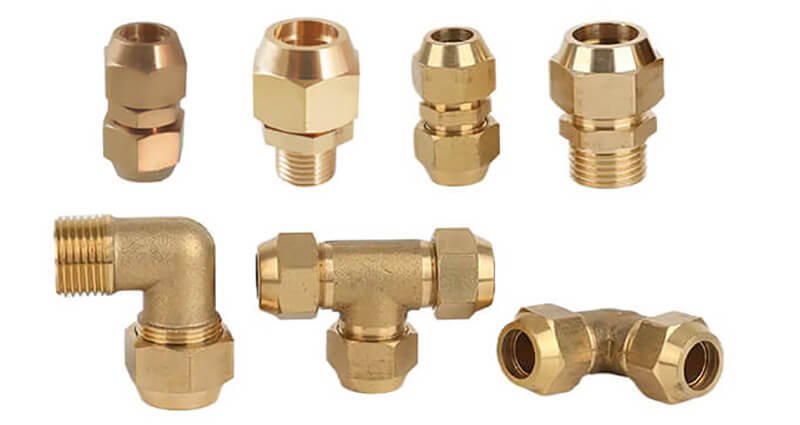
Brass fittings play an essential role in a wide range of industries, including water purification systems and pneumatic systems. Known for their strength, durability, and resistance to corrosion, brass is a popular material choice for these applications. Whether you are connecting water pipes in your home or assembling a complex pneumatic system, brass fittings ensure a reliable, leak-proof connection.
In this article, we will explore the three basic types of brass fittings, each offering distinct features and advantages.
Types of Brass Fittings
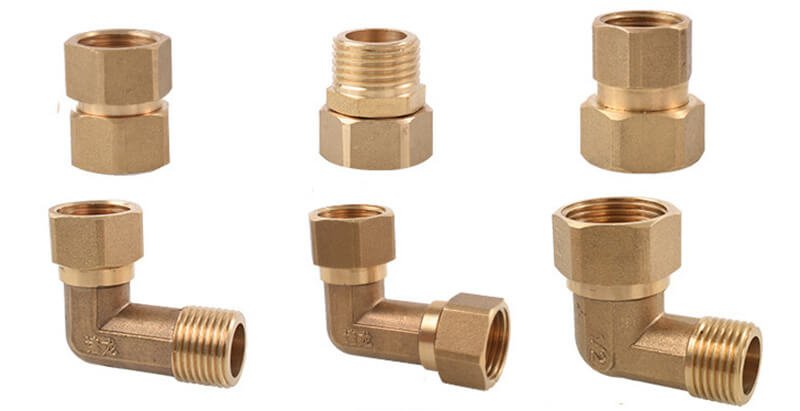
Brass fittings come in various forms, but the three most commonly used types are compression fittings, push-fit fittings, and threaded fittings. Each type has its unique method of connection and is suited for specific applications.
Compression Fittings
Compression fittings are widely used to join pipes or tubes without the need for welding or soldering. They are particularly useful in both water filtration systems and pneumatic applications. The fitting consists of three components: the ferrule (or compression ring), the nut, and the body.
- How They Work: When the nut is tightened, the ferrule is compressed around the pipe, creating a secure seal. This prevents leaks and ensures a reliable connection.
- Key Uses: Compression fittings are commonly used in water lines and pneumatic systems where a tight seal is necessary, such as for connecting air hoses or water purification pipes.
Push-Fit Fittings
Push-fit fittings are designed for quick and easy installation. These fittings allow you to connect pipes by simply pushing them into the fitting until they lock into place.
- How They Work: As you insert the pipe, an internal mechanism secures the pipe with a rubber seal, providing a leak-proof connection. These fittings do not require any tools, making them ideal for quick repairs or installations in tight spaces.
- Key Uses: Push-fit fittings are commonly used in residential water systems and compressed air lines where ease of installation is a priority.
Threaded Fittings
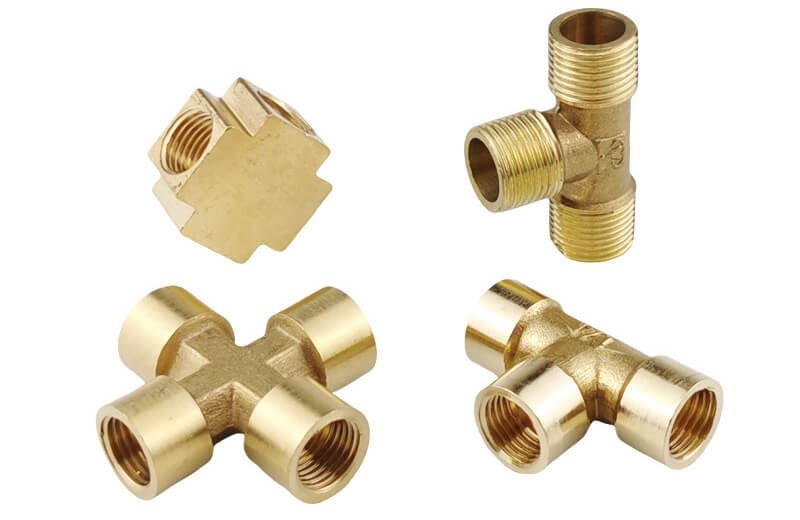
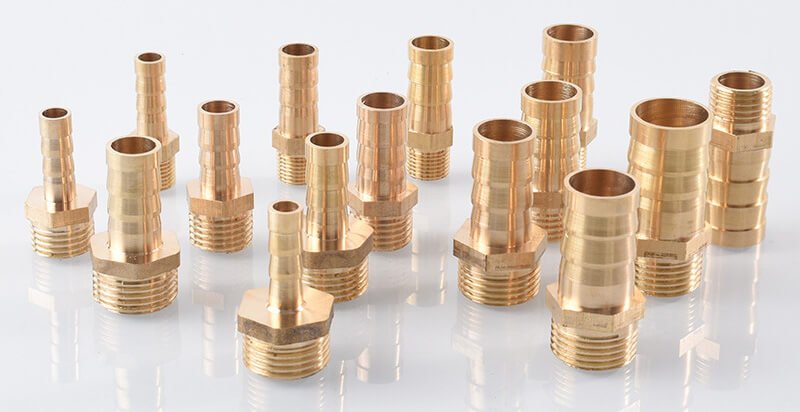
Threaded fittings are one of the most traditional and secure methods of connecting pipes. They have male and female threads that screw together, forming a tight, leak-resistant joint.
- How They Work: The threads allow for a firm connection between two components. Thread sealant or Teflon tape is often used to prevent leaks in threaded joints.
- Key Uses: Threaded fittings are ideal for applications with high pressure or where a permanent, secure connection is required, such as in pneumatic systems and industrial water systems.
Comparing the Three Types
While all three types of brass fittings — compression fittings, push-fit fittings, and threaded fittings — are designed to create reliable connections, each has its own advantages and considerations. Let’s compare them based on cost, ease of installation, and durability.
Cost and Availability
The cost of each type of brass fitting varies, and it’s important to consider your budget when choosing the right one for your needs.
- Compression Fittings: These tend to be more expensive than push-fit fittings due to the additional components involved, such as the ferrule and nut. However, they are still relatively affordable and widely available.
- Push-Fit Fittings: These fittings are generally the most cost-effective option. They require fewer components and are often sold in kits, making them budget-friendly.
- Threaded Fittings: While they can be pricier than compression fittings, threaded fittings are also widely available and are often considered a good investment for long-term projects due to their strength and reliability.
Ease of Installation
Ease of installation is an important factor to consider, especially if you are doing the work yourself or in a time-sensitive project.
- Compression Fittings: Installation requires a bit of effort, as the nut must be tightened around the ferrule to secure the connection. Tools such as wrenches are needed for tightening, which might make this option slightly more time-consuming compared to the others.
- Push-Fit Fittings: These are by far the easiest to install. No tools are required; simply push the pipe into the fitting, and the mechanism locks into place. This makes them ideal for quick fixes or when working in tight spaces.
- Threaded Fittings: These fittings require the most time and effort to install, as they involve threading the male and female components together and often require sealants (e.g., Teflon tape) to prevent leaks. This process can be more labor-intensive, especially in larger projects.
Durability and Applications
Durability is a key factor in choosing the best fitting for your specific application. The environment and conditions (such as pressure and temperature) should also influence your decision.
- Compression Fittings: These fittings are durable and create a secure, leak-proof seal. They are suitable for a wide range of water and pneumatic systems, especially where pressure needs to be maintained over time.
- Push-Fit Fittings: While easy to install, push-fit fittings are not always the best option for high-pressure environments. They are more commonly used in low-pressure water systems or temporary setups. They are less durable in demanding applications compared to compression or threaded fittings.
- Threaded Fittings: These fittings offer excellent durability and are perfect for high-pressure environments or industrial applications. They are widely used in pneumatic systems and heavy-duty water filtration systems. The connection created by threaded fittings is highly secure and can withstand both pressure and wear over time.
Factors to Consider When Choosing Brass Fittings
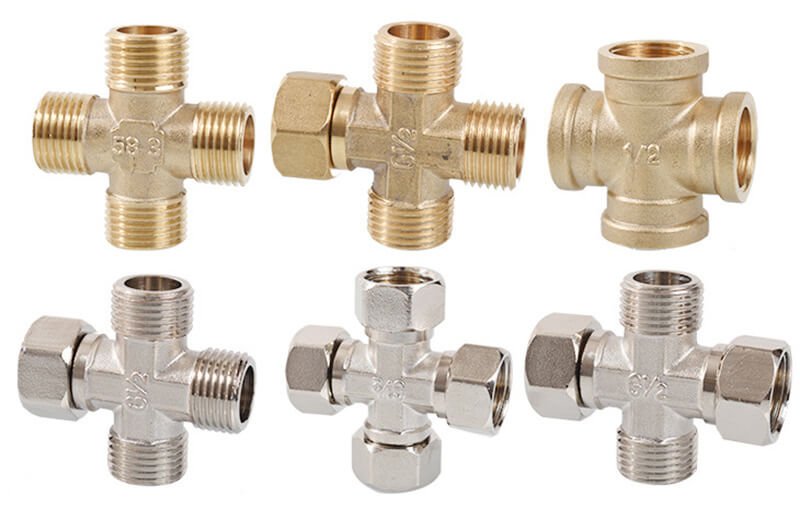
Selecting the right brass fitting is crucial for ensuring a secure, leak-proof connection in your system. There are several factors to take into account when making your decision.
1. Compatibility with Your Pipes
Before choosing a brass fitting, it is essential to ensure it is compatible with the size and material of your pipes.
- Pipe Size: Brass fittings come in various sizes, so it’s important to match the fitting size with your pipes to avoid leaks.
- Pipe Material: Make sure the fitting is designed for use with the specific material of your pipes, such as copper, PVC, or steel.
2. Pressure and Flow Requirements
The pressure and flow rates within your system will play a key role in selecting the right fitting type.
- High Pressure: For high-pressure systems, such as pneumatic setups, threaded fittings are often the best choice due to their secure and durable connection.
- Low Pressure: For low-pressure applications, compression fittings or push-fit fittings might suffice.
3. Temperature and Environment
The temperature of the environment and the substance being carried through the pipes should also influence your decision.
- Corrosive Environments: If the fittings will be exposed to harsh chemicals or extreme temperatures, you should consider a fitting that is resistant to corrosion, such as nickel-plated brass fittings.
- Water Systems: If you are working with water purification systems, choose fittings that are designed for use with water, ensuring they can handle moisture without deteriorating.
4. Ease of Installation and Maintenance
Some fittings are easier to install and maintain than others. If you are working on a DIY project or need to make quick repairs, consider push-fit fittings due to their ease of use. However, for long-term installations, compression or threaded fittings may provide more reliable results.
Conclusion
In conclusion, understanding the three basic types of brass fittings — compression fittings, push-fit fittings, and threaded fittings — is key to making an informed decision about which one to use in your water purification or pneumatic systems.
- Compression fittings offer a reliable and secure connection for a variety of applications.
- Push-fit fittings are perfect for quick installations, making them ideal for temporary setups or low-pressure systems.
- Threaded fittings are the most durable, making them ideal for high-pressure environments and industrial applications.
When choosing a brass fitting, remember to consider the compatibility with your pipes, the pressure and temperature requirements of your system, and the ease of installation. By taking these factors into account, you can ensure a long-lasting, leak-free connection that will keep your system running smoothly.