
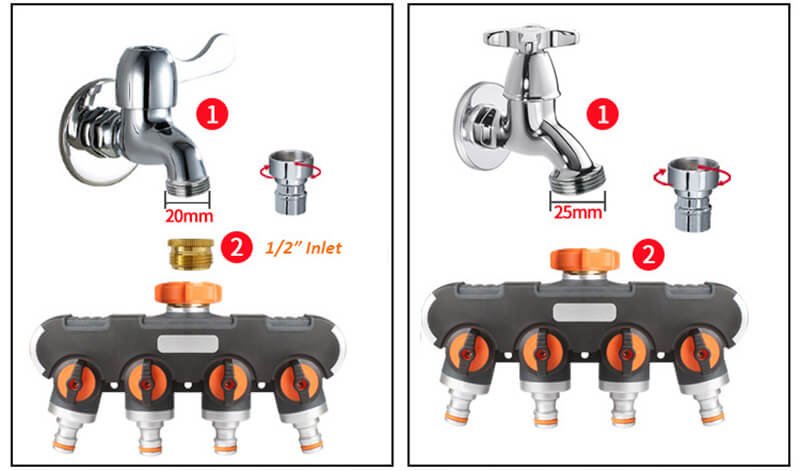
When it comes to managing your garden’s watering needs, a garden hose splitter can be an essential tool. Choosing the right hose splitter can make a significant difference in terms of convenience, water flow control, and durability.
In this guide, we’ll explore the different types of hose splitters available, factors to consider when selecting one, and tips for ensuring a smooth installation process. With the right hose splitter, you’ll have a much easier time maintaining your garden while saving both time and water.
Types of Garden Hose Splitters
Garden hose splitters come in several varieties, each designed for different watering needs. Let’s explore the most common types to help you choose the one that’s best for your garden.
Single Valve Splitters
A single valve splitter is the most basic type of hose splitter. It features just one inlet that divides into two or more outlets. It’s a simple solution if you need to water two or more sections of your garden simultaneously, but it doesn’t offer much control over the water flow.
- Ideal for: Smaller gardens or single-zone watering.
- Pros: Easy to use, affordable, compact.
- Cons: Limited control over water pressure or flow.
Multiple Valve Splitters
For more flexibility, multiple valve splitters provide several outlets with individual on/off controls. This allows you to adjust the flow to each outlet independently, giving you more control over the water supply to different parts of your garden.
- Ideal for: Larger gardens with multiple zones, or when different areas require different amounts of water.
- Pros: Adjustable flow for each outlet, more versatile.
- Cons: Can be bulkier and more expensive.
Rotary Splitters
A rotary splitter is an advanced option that offers adjustable flow for each outlet. With this type of splitter, you can control the amount of water coming from each connection by rotating the dial on the unit. This is particularly helpful for gardens with different water needs in each zone.
- Ideal for: Gardens with varying irrigation requirements, such as lawns, flower beds, and vegetable patches.
- Pros: Precise control of water flow, efficient for diverse needs.
- Cons: Typically pricier and larger in size.
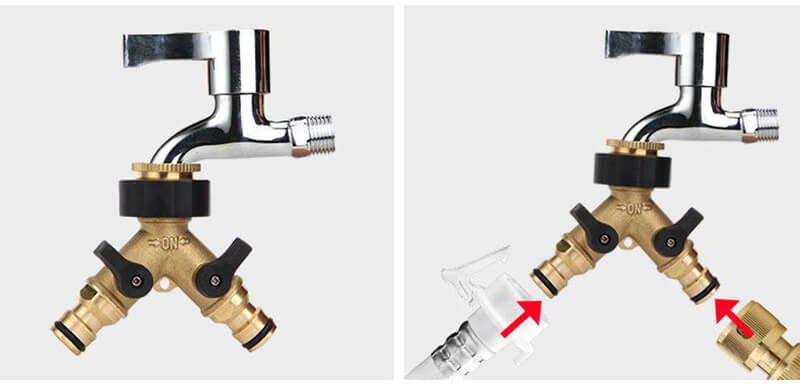
Y-Valve Splitters
The Y-valve splitter is one of the most common types, designed to split a single water source into two outlets. It resembles the letter “Y” with a single inlet and two separate outlets. These are often used in basic irrigation systems or for watering two areas simultaneously.
- Ideal for: Basic gardens or dual-use watering.
- Pros: Simple design, cost-effective, space-saving.
- Cons: Limited control options and usually only two outlets.
Factors to Consider When Choosing a Hose Splitter
Selecting the right hose splitter for your garden involves considering several important factors. Each factor can impact the efficiency, durability, and ease of use of the splitter. Here are the key things to keep in mind when making your decision.
Material
The material of the hose splitter is one of the most crucial aspects to consider. Hose splitters are typically made from metal (brass or aluminum) or plastic. Each material has its pros and cons:
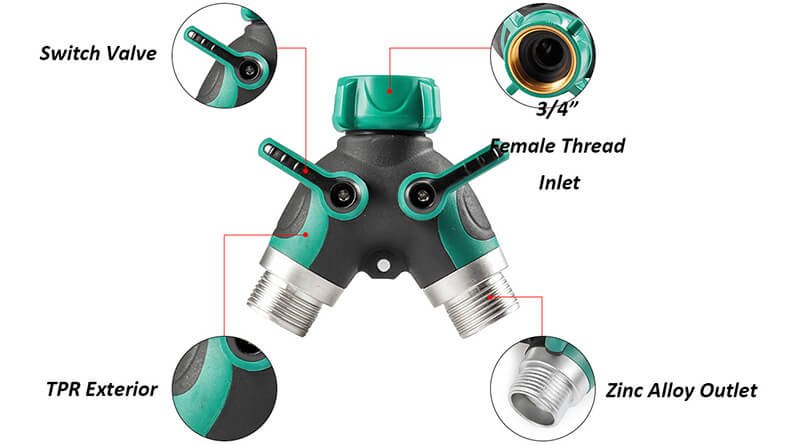
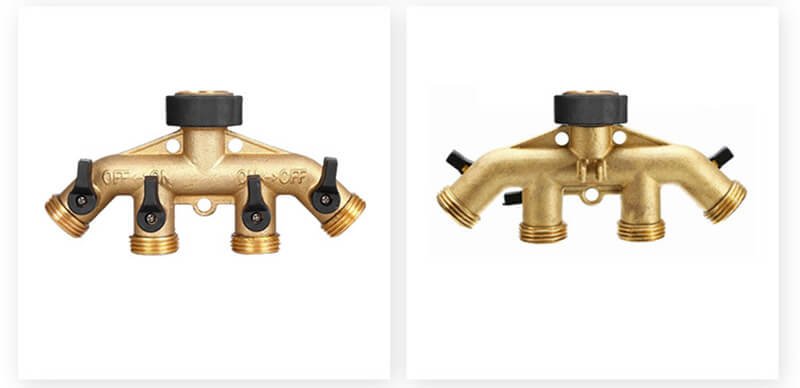
- Metal splitters are highly durable, resistant to rust, and can withstand high water pressure. Brass splitters, in particular, are the most durable and offer long-lasting performance.
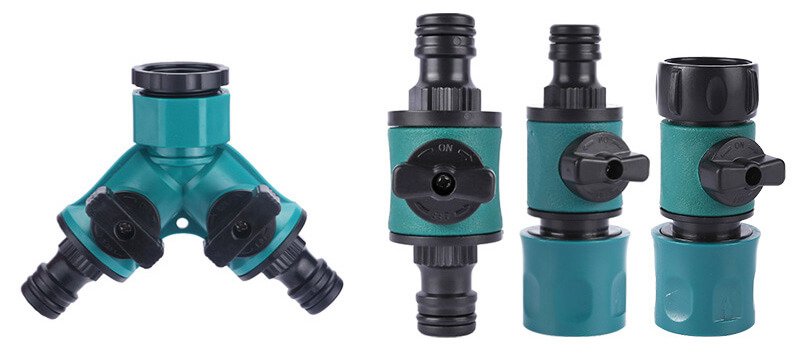
- Plastic splitters are lighter and more affordable but may not be as durable over time. They can crack or degrade if exposed to extreme weather conditions.
Number of Outlets
Consider how many outlets you need. Some splitters have two outlets, while others may have three, four, or even more. Think about the size of your garden or lawn and the number of areas you need to water simultaneously. If you’re planning to water multiple garden zones at once, a multiple outlet splitter might be the best option.
Flow Control
Having flow control on each outlet is a huge advantage. With individual valve controls, you can manage the water flow to different areas of your garden independently. This is especially helpful for plants with varying water requirements. Look for a splitter with adjustable valves to ensure you have precise control over the water flow.
Compatibility
Ensure that the hose splitter is compatible with your existing hoses. Most splitters fit standard ¾-inch hoses, but some models might be designed for larger or smaller sizes. Double-check the fittings and make sure the splitter will connect easily to your hose and faucet.
Ease of Installation
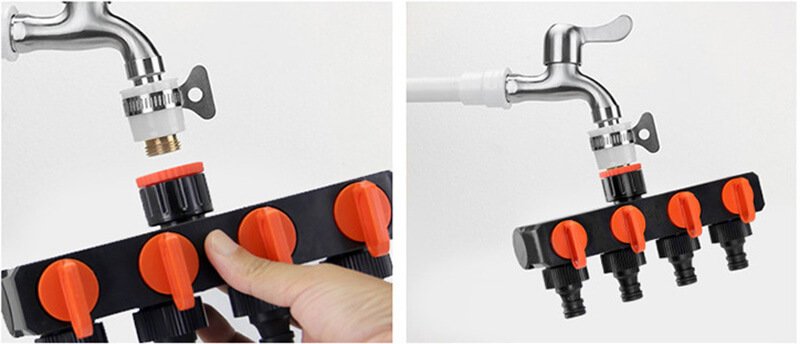
The installation process should be straightforward. Look for models that feature quick-connect fittings or are easy to attach and detach. A user-friendly design ensures that setting up the splitter doesn’t take too much time or effort, especially if you plan to move it around frequently.
Durability and Quality
When selecting a hose splitter, durability and quality are paramount. A high-quality splitter can last for many years, while a poor-quality model may need frequent repairs or replacements.
Material Strength and Longevity
The strength of the material directly impacts the longevity of the splitter. Metal splitters are typically more durable and can handle high water pressure without wearing out. Brass is especially durable, resisting corrosion and rust, making it a great choice for long-term use.
Plastic splitters may be lighter and less expensive, but they often wear out faster, especially if exposed to extreme temperatures or UV rays. Over time, plastic may crack or weaken, leading to leaks.
Weather Resistance
Since garden hose splitters are used outdoors, they need to be able to withstand weather conditions. A high-quality splitter should be able to handle extreme temperatures, whether it’s freezing cold winters or hot summers. Splitters made from weather-resistant materials, such as brass or anodized aluminum, will stand up better to exposure to the elements.
Leak-Proof Design
Leaks can cause water wastage and damage to your garden. When choosing a hose splitter, ensure it has a leak-proof design. High-quality models feature tight seals and reinforced connectors to prevent leaks at the joints. Look for splitters with rubber washers or gaskets at the connections for extra leak prevention.
Pressure Tolerance
Check the pressure rating of the splitter to ensure it can handle the water pressure from your hose. A low-quality splitter may fail under higher pressure, leading to cracks or malfunctions. Look for models with high-pressure tolerance if your water supply has strong pressure or if you plan to use it with an irrigation system.
Price vs. Quality
When shopping for a garden hose splitter, you’ll likely encounter a wide range of prices. It’s important to strike a balance between price and quality to ensure you’re getting good value for your money.
Budget-Friendly Options
If you’re on a budget, plastic hose splitters are often the most affordable choice. While they may not last as long as metal models, they can still be effective for basic watering needs. Budget splitters are lightweight, easy to use, and typically come in simple designs with a limited number of outlets.
- Pros: Affordable, lightweight, easy to install.
- Cons: May wear out faster, less durable over time, prone to cracking.
Premium Options
If you’re willing to invest a bit more, metal splitters, particularly those made of brass or aluminum, offer greater durability and reliability. These high-quality models are built to withstand harsh weather conditions, high water pressure, and frequent use. Though the upfront cost is higher, premium splitters often come with additional features such as adjustable flow control, multiple outlets, and leak-proof designs.
- Pros: Long-lasting, resistant to corrosion, better performance.
- Cons: Higher initial cost, bulkier.
Finding the Right Balance
Ultimately, the best choice depends on your watering needs and how often you plan to use the splitter. If you’re an occasional gardener or only need a splitter for light use, a budget-friendly plastic model may suffice. However, for gardeners with larger areas or those who require more control over water distribution, opting for a premium, durable model will be a smarter long-term investment.
Additional Features
Aside from the basic functionality of splitting your hose into multiple outlets, some hose splitters come with additional features that can enhance their usability and performance. Here are some of the most popular features to consider.
On/Off Valve Control
Some hose splitters come equipped with individual on/off valves for each outlet. This feature allows you to control the flow of water to each section of your garden independently. It’s especially useful if you want to water different areas with varying water needs or if you need to shut off water to certain zones without affecting others.
- Benefits: Greater control over water distribution, helps conserve water by turning off unnecessary outlets.
Anti-Leak Design
Nobody wants to deal with messy leaks or water wastage. Look for hose splitters that feature an anti-leak design. Many high-quality models have rubber washers or gaskets at the connection points to create a tight, leak-proof seal. These splitters are less likely to develop leaks, helping you save water and avoid frustration.
- Benefits: Leak prevention, water conservation, less maintenance.
Ergonomic Design
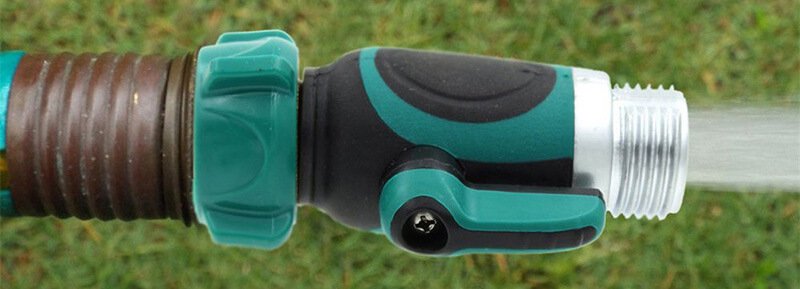
For ease of use, consider a hose splitter with an ergonomic design. These models feature easy-grip knobs or handles that make it simple to control the water flow. Whether you have wet hands or are working for extended periods, an ergonomic splitter will be more comfortable to use.
- Benefits: Comfortable grip, easier control, reduced strain during use.
Weatherproofing
Look for splitters that are weatherproof or UV-resistant if you plan to leave them outdoors for long periods. Many premium splitters are made with materials that can withstand exposure to the sun, rain, and extreme temperatures, ensuring they continue to perform well over time.
- Benefits: Increased lifespan, reliable performance in all weather conditions.
Pressure Regulation
Some high-end splitters come with built-in pressure regulation. This feature ensures a consistent and balanced water flow, even if the water pressure fluctuates. If your water supply tends to have varying pressure levels, a pressure-regulated splitter can help maintain an even distribution of water.
- Benefits: Consistent water flow, better control over watering.
Common Problems with Hose Splitters and How to Fix Them
While hose splitters are generally reliable, they can encounter a few common issues that might affect their performance. Here are some of the most frequent problems and how to fix them.
1. Leaks at the Connection Points
One of the most common issues with hose splitters is leaking at the connection points. This can happen if the rubber washers or gaskets inside the splitter wear out, or if the splitter is not properly tightened onto the hose.
- Solution: Check the rubber washers for wear and replace them if necessary. Make sure the splitter is tightly connected to both the faucet and the hoses. If the leak persists, try using Teflon tape on the threads for a more secure seal.
2. Low Water Flow or No Flow
If you’re experiencing weak or no water flow through the splitter, it could be due to a clog in the splitter or the hose. This can be caused by dirt, debris, or mineral buildup over time.
- Solution: Remove the splitter and clean the individual outlets with a small brush or by soaking it in a vinegar solution to break down mineral buildup. Ensure there are no blockages in the hoses or faucet as well.
3. Broken or Stiff Valves
Over time, the valves on the splitter may become stiff or even break, making it difficult to adjust the flow of water.
- Solution: Lubricate the valve stems with a silicone-based lubricant to keep them functioning smoothly. If the valve is broken, it may be necessary to replace the entire splitter or the valve itself if it’s removable.
4. Difficulty Turning the Knobs or Levers
Sometimes, the knobs or levers on the splitter can become difficult to turn, especially if dirt or grime has built up around them. This can make it frustrating to adjust the water flow.
- Solution: Clean around the knobs and apply a small amount of lubricant to ensure smooth operation. Be gentle when turning the knobs to avoid damaging them.
5. Corrosion or Rusting
Corrosion or rust is a problem, particularly with metal splitters made from lower-quality materials. If left untreated, rust can cause the splitter to deteriorate, resulting in leaks or broken parts.
- Solution: Regularly inspect metal splitters for signs of rust. If corrosion is minor, you can clean it off with a wire brush or sandpaper. For more significant rust, it may be necessary to replace the splitter. Look for rust-resistant metals like brass for longer-lasting protection.
Conclusion
Choosing the right hose splitter can make a world of difference in how efficiently you manage your garden’s watering system. By considering factors such as material, number of outlets, flow control, and durability, you can select the perfect splitter for your needs. Whether you’re looking for a budget-friendly option or a high-end, feature-packed model, there’s a hose splitter to suit every gardener.
It’s also important to keep in mind the common problems that can arise with hose splitters and learn how to fix them. Regular maintenance, such as checking for leaks, cleaning the splitter, and lubricating the valves, will help keep your equipment in good working condition.