
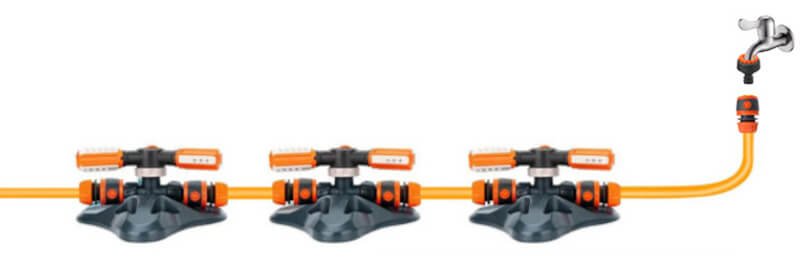
Setting up an automatic watering system is one of the smartest ways to keep your garden healthy while saving time and water. Automatic watering systems ensure that your plants get consistent, efficient watering, even when you’re not around. Whether you’re away on vacation or just tired of manually watering your garden every day, an automatic system can do the job for you.
One of the best things about automatic watering systems is that you don’t have to spend a fortune to install one. Setting up a cheap automatic watering system is possible, and it can be as simple as installing a few basic components. With the right tools, you can easily transform your garden care routine into a more convenient, water-efficient process without breaking your budget.
In this article, we’ll guide you through how to set up a low-cost, effective watering system for your garden.
Choosing the Right Type of System
When it comes to automatic watering systems, there are several options to choose from. The key to creating an affordable yet effective system lies in selecting the one that best suits your garden’s needs.
Drip Irrigation: The Efficient Choice
Drip irrigation is one of the most water-efficient methods. It works by delivering water directly to the plant roots, minimizing water loss due to evaporation or runoff. This system is perfect for flower beds, vegetable gardens, and potted plants. It’s easy to set up, and you can control the flow to each plant individually, making it a versatile choice for gardens of all sizes.
Soaker Hoses: Simple and Effective
If you’re looking for something even simpler, a soaker hose system might be the perfect fit. Soaker hoses are laid along the ground or garden beds and allow water to seep out slowly over their entire length. These hoses provide even water distribution, which is ideal for vegetable gardens or flower beds. The setup is easy, and the maintenance is minimal, making it a great option for those on a tight budget.
Sprinkler Systems: A Classic Option
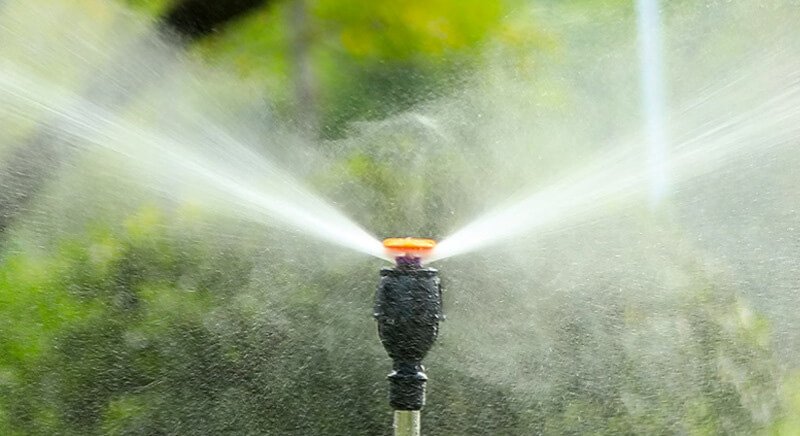
For larger gardens or lawns, a sprinkler system can cover a broader area. There are various sprinkler options, from stationary sprinklers to oscillating and rotating heads, depending on your needs. These systems are usually cost-effective and easy to install, especially with timer features that allow for automated watering schedules.
Self-Watering Planters: Ideal for Small Spaces
If you have limited space or are growing plants in containers, self-watering planters can be a great solution. These planters have built-in systems that slowly release water to the roots as needed. This option requires very little setup and can be a great budget-friendly choice for apartment dwellers or small garden owners.
Manual vs. Automated: What’s the Difference?
While manual watering systems require you to turn on the water supply and monitor it, automated systems do the job for you. Automated systems allow you to set specific watering schedules and times, freeing up your time for other activities. Though automated systems may cost slightly more upfront, they save money in the long run by reducing water waste and improving efficiency.
Materials You’ll Need
Setting up a cheap automatic watering system doesn’t require fancy or expensive equipment. Here’s a list of the basic materials you’ll need to get started, depending on the system you choose.
For Drip Irrigation Systems:
- Drip tubing: Flexible plastic tubing that delivers water directly to your plants.
- Emitters or drip heads: Attach to the tubing to control the water flow to each plant.
- Connectors and fittings: For connecting the tubing to the water source.
- Filter: Helps prevent debris from clogging the system.
- Timer: To automate the watering schedule.
For Soaker Hose Systems:
- Soaker hose: A hose with small pores that slowly releases water along its length.
- Hose connectors: To connect the soaker hose to your water supply.
- Timer: A basic timer to control the start and stop times.
For Sprinkler Systems:
- Sprinkler heads: Choose from stationary, oscillating, or rotating sprinkler heads.
- Hoses: A good quality hose to connect the sprinkler to the water source.
- Sprinkler stakes or stands: To secure the sprinkler head in place.
- Timer: To automate the sprinkler system.
For Self-Watering Planters:
- Self-watering containers: These planters come with built-in reservoirs that deliver water as needed.
- Watering tray: To collect excess water.
- Timer (optional): If you want an extra layer of automation.
Where to Buy:
You can find these materials at local garden centers, home improvement stores, or online retailers like Amazon. Look for budget-friendly options to keep costs low, and check for bundles or kits that include most of the materials you need in one package. A typical setup for a small garden could cost as little as $20 to $50, depending on the type of system and the materials used.
Setting Up a Simple Drip Irrigation System
Drip irrigation is a great way to water your plants efficiently, ensuring that water reaches the roots without waste. Follow these simple steps to set up your own drip irrigation system.
Step 1: Plan Your System
Before you start laying down tubing, it’s important to plan your system. Take a look at your garden and decide where you want to place the drip lines. You can run a single line to each plant or use distribution tubing to cover multiple plants at once.
Consider the water needs of your plants—larger plants may need more water, so plan accordingly.
Step 2: Install the Main Hose
Start by connecting the main hose to your water source. If you don’t have a dedicated faucet, you can use a Y-splitter to connect the hose to an existing faucet. Make sure you have enough length to reach all parts of your garden.
Step 3: Add Drip Tubing and Emitters
Next, attach the drip tubing to the main hose using connectors. Lay the tubing along your garden beds or around individual plants. At regular intervals, use emitters or drip stakes to release water. Each emitter should be placed near the roots of the plants for the best water distribution.
Step 4: Attach a Filter
Install a filter to prevent debris from clogging your system. Filters are inexpensive and help keep your drip system running smoothly. This is especially important if you are using well water or water with a lot of sediment.
Step 5: Set the Timer
For an automated system, attach a timer to the faucet. Set it to water your plants during the early morning or evening, when evaporation is lowest. Timers can be adjusted to run for different lengths of time, ensuring each plant gets the right amount of water.
Step 6: Test and Adjust
Once everything is connected, test your system to ensure that water is reaching all the plants. Make adjustments to the tubing or emitters if necessary. Check periodically to ensure the system remains clog-free and that all plants are being watered properly.
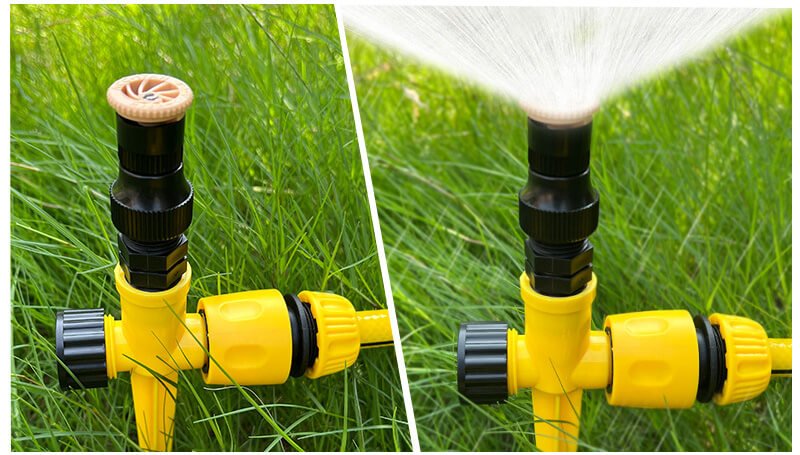
Setting Up a Soaker Hose System
A soaker hose is a simple, cost-effective way to irrigate your garden. Here’s how to set up your own soaker hose system.
Step 1: Plan Hose Placement
Start by deciding where you want to place the soaker hose in your garden. Soaker hoses are best for areas with long rows of plants, such as vegetable gardens or flower beds. Lay the hose along the soil or under mulch to minimize evaporation.
Step 2: Connect the Hose to Water Source
Once the hose is placed in the desired location, connect the soaker hose to your water source using a hose connector. If you need to extend the reach, use additional hoses and connectors to create a longer watering line.
Step 3: Secure the Hose
For the hose to lay properly and avoid tangling, secure it along the ground or in the soil with stakes or clips. Make sure that the hose is in contact with the soil to ensure even water distribution.
Step 4: Set Up a Timer
Attach a timer to the faucet to control when and for how long the soaker hose will release water. A basic analog timer or digital timer can be used for convenience and efficiency. Set it to water during the early morning or evening for optimal results.
Step 5: Test and Adjust
Turn on the water and test your soaker hose. Check if the water is seeping out evenly along the hose’s length. If necessary, adjust the hose to ensure all plants are watered evenly. Like with drip irrigation, be sure to check the system periodically for clogs or kinks.
Setting Up a Sprinkler System
A sprinkler system is perfect for larger lawns or gardens, providing wide coverage. Here’s how to set one up without spending a lot of money.
Step 1: Choose the Right Sprinkler Head
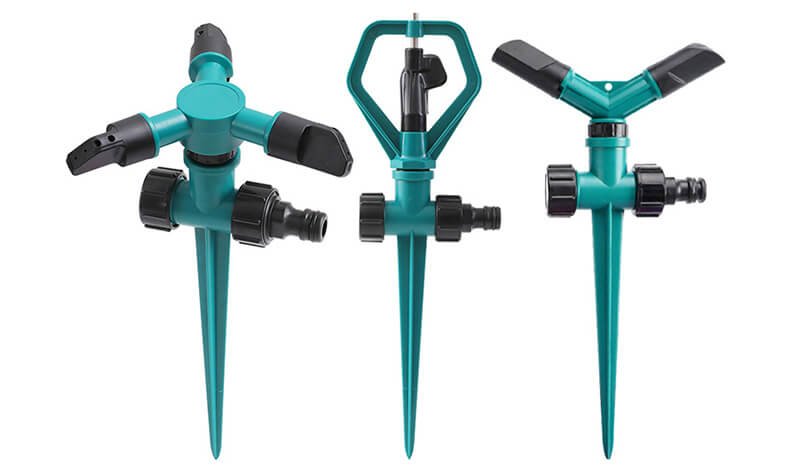
The first step is choosing the right sprinkler head for your garden. The most common types include:
- Stationary sprinklers: These are best for small areas or beds.
- Oscillating sprinklers: These cover a larger area with a back-and-forth motion.
- Rotating sprinklers: These spin in a circular motion to cover a broad area.
Step 2: Connect the Sprinkler to Your Hose
Once you’ve selected a sprinkler, attach it to your garden hose. You can use a simple hose connector to secure the sprinkler to the end of the hose. Make sure the sprinkler head is tightly connected to prevent leaks.
Step 3: Position the Sprinkler
Place the sprinkler in a central location in your garden or lawn to ensure even coverage. If you have a larger area to water, you may need multiple sprinklers to cover different sections. Be sure to adjust the sprinkler’s position and spray angle to cover all the plants.
Step 4: Install a Timer
To automate the system, attach a timer to the faucet. Set the timer to water at specific times, such as early morning or evening, when water loss from evaporation is lower. Timers can be set to water for a specific duration, so your garden gets the right amount of water without overwatering.
Step 5: Test the System
Turn on the water and check the coverage of the sprinkler system. Make sure the water is reaching all areas of your garden or lawn evenly. If the coverage is uneven, adjust the position of the sprinkler or add additional sprinklers to cover the gaps.
Using Timers and Controllers
Timers and controllers are essential for automating your watering system, making it even more convenient and efficient. Here’s how you can use them to get the best results.
Basic Timer Features
A basic timer is an inexpensive, easy-to-use tool that can be attached to your garden hose or faucet. It allows you to set specific watering times and durations. Many timers have a manual dial or digital buttons for programming, and you can adjust them for:
- Start time
- Watering duration
- Frequency of watering
Timers can help you water consistently at the best times of day, such as early morning or evening, to minimize water loss due to evaporation.
Digital Timers for Greater Control
If you want more flexibility, digital timers offer advanced features like multiple start times, rain delay, and programmable schedules. These timers let you control when and how often your system waters, even for different zones in your garden. For example, a sprinkler may need more water than potted plants, so you can set different watering schedules for each area.
Smart Controllers for Automation
For the ultimate in convenience, consider smart controllers that allow you to monitor and control your watering system from your smartphone. These systems can adjust watering schedules based on weather conditions, ensuring your plants receive the right amount of water while reducing waste. Smart controllers are ideal for large gardens or areas with varying needs.
Maintaining Your Watering System
To ensure your watering system continues to work efficiently, regular maintenance is essential. Follow these tips to keep your system in top shape.
Check for Clogs
Whether you have a drip irrigation system or sprinklers, clogs can develop over time, especially in emitters and hoses. Regularly inspect your system for blockages and clean the emitters, filters, and hoses. Drip emitters can become clogged with dirt or minerals, so flushing the system with clean water can help keep it running smoothly.
Inspect Hoses and Connectors
Hoses and connectors are subject to wear and tear. Check them regularly for cracks, leaks, or kinks that may reduce water flow. If you find any damage, replace the part immediately to avoid wasting water.
Adjust for Seasonal Changes
As the seasons change, your plants’ water needs will change too. Adjust your system accordingly—during the warmer months, you may need to increase the watering time, while in cooler months, watering needs may be lower. Use your timer or controller to make adjustments throughout the year.
Winterize the System
If you live in an area with freezing temperatures, it’s important to winterize your watering system. Drain the water from hoses and pipes to prevent damage from freezing. For drip systems, you can remove the emitters and store them in a dry place until the next season.
Additional Tips for Saving on Watering Costs
While setting up an automatic watering system helps save water, there are additional strategies you can implement to further reduce water costs.
Water Early in the Morning or Late in the Evening
Watering during the early morning or late evening helps minimize evaporation. The cooler temperatures and lower winds at these times allow your plants to absorb more water, making your watering efforts more efficient.
Use Mulch to Retain Moisture
Applying a layer of mulch around your plants helps to retain soil moisture, reducing the need for frequent watering. Mulch also helps to prevent weed growth and regulate soil temperature, which benefits your plants overall.
Group Plants by Watering Needs
If possible, group plants with similar water requirements together. This way, you can tailor your watering schedule and avoid wasting water on plants that don’t need it as much. Drought-tolerant plants should be placed in areas with less frequent watering, while more water-demanding plants can be given extra attention.
Collect Rainwater
Installing a rainwater harvesting system can significantly cut down on your water bill. You can collect rainwater in a barrel or a larger storage container, then use it for watering your garden. This is an eco-friendly way to reduce reliance on municipal water supplies.
Choose Drought-Resistant Plants
Drought-tolerant plants need less water, making them a great choice for reducing watering costs. Look for plants that are suited to your local climate and are known for their low water requirements.
Conclusion
Setting up a cheap automatic watering system is a great way to keep your garden healthy, conserve water, and save time. Whether you choose drip irrigation, soaker hoses, or a sprinkler system, each option has its benefits and can be customized to meet the needs of your garden.
By adding a timer or controller, you can automate your watering schedule, ensuring consistent and efficient water delivery. Regular maintenance will help your system perform at its best, while additional tips like watering at the right time of day, using mulch, and collecting rainwater can further reduce your water costs.