
What are Pneumatic Connectors?
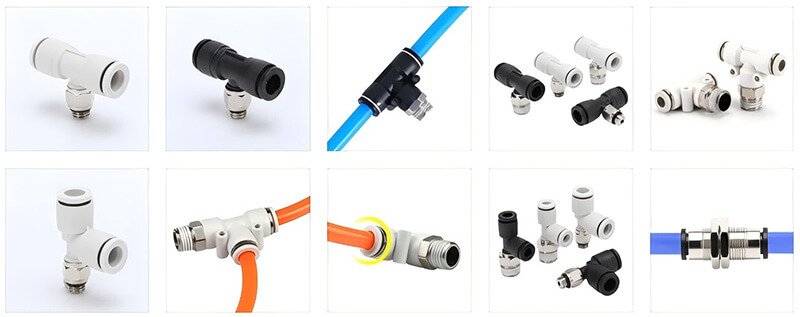
Pneumatic systems play a crucial role in many industries by utilizing compressed air to perform various tasks, such as automation, controlling machinery, and powering tools. Pneumatic connectors are essential components that allow different parts of these systems to function efficiently and reliably.
How to Remove Air Hoses from Quick Connect Fittings?
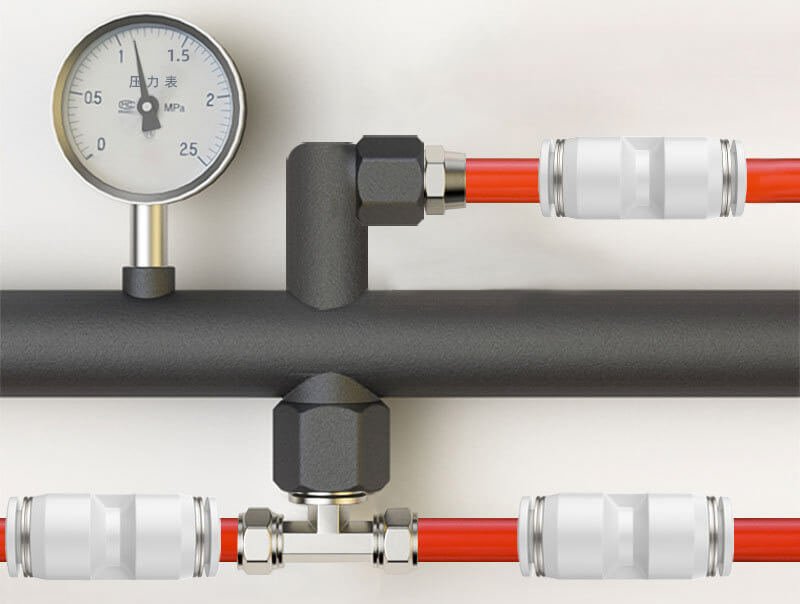
In pneumatic systems, quick connect fittings play a vital role in connecting air hoses and ensuring that airflow is both secure and efficient. These fittings allow for fast and easy connections and disconnections without the need for tools, making maintenance and system adjustments much simpler.
How to Properly Cut and Connect Air Fittings?
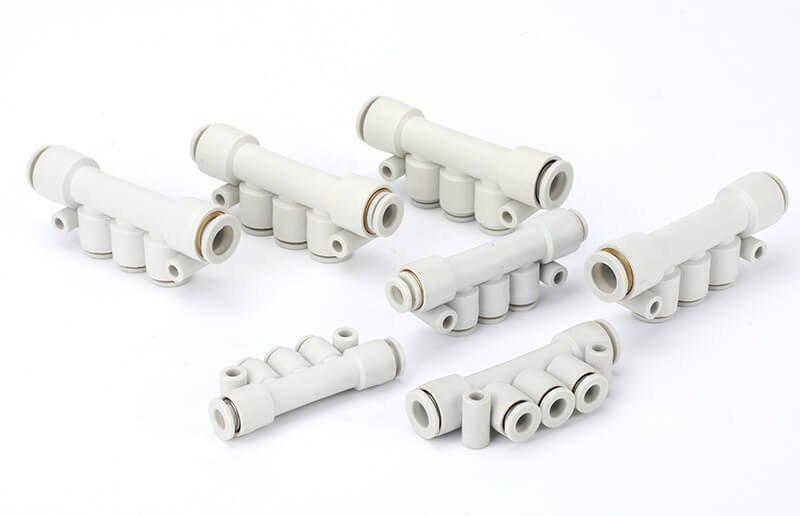
Pneumatic systems are commonly used in a wide range of industries, from manufacturing to automation, due to their reliability and efficiency. These systems rely on air fittings and connectors to ensure proper airflow and functionality. However, the proper cutting and connecting of air fittings is critical to avoid potential problems such as leaks or pressure loss.
How to use Push to Fit Fittings?
Push-to-fit fittings have become an essential part of modern pneumatic systems. These fittings are designed for quick, reliable connections in a wide variety of applications. With no tools required and easy installation, push-to-fit fittings offer users an efficient solution for connecting tubing and pipes, particularly in environments where speed and flexibility are crucial.
How to know pneumatic fitting size

When it comes to designing and maintaining pneumatic systems, choosing the right pneumatic fitting size is crucial for optimal performance, safety, and efficiency. Pneumatic fittings are used to connect various components of a system, such as pipes, tubes, and valves, and their size directly impacts how well the system operates.
How to release push fit air fittings?
Push-fit air fittings are widely used in pneumatic systems due to their convenience and versatility. These fittings allow for quick and secure connections, making them ideal for a variety of industries. However, understanding how to properly release these fittings is crucial for maintenance and repair tasks.
What is the difference between push and press fittings?
Choosing the right fitting for your pneumatic system is a crucial step toward ensuring efficiency, safety, and long-term performance. Both push fittings and press fittings have their strengths, tailored for different applications and needs.
How does a pneumatic mechanism work?
Pneumatic mechanisms are the driving force behind many of today’s industrial and everyday tools. These systems use compressed air to perform tasks efficiently, safely, and cost-effectively. Whether it’s powering machinery in factories or enabling air-powered hand tools, pneumatics have become an indispensable part of modern technology.
What is pneumatic fitting?
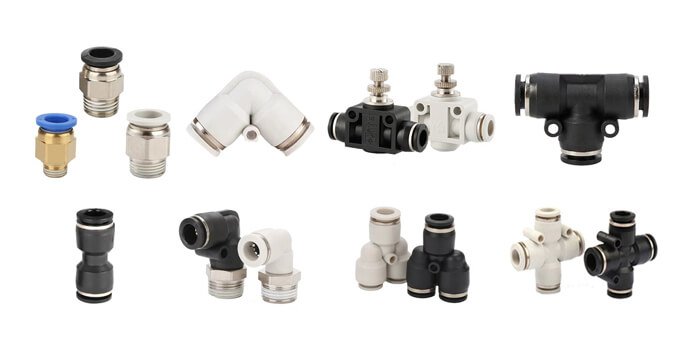
Pneumatic fittings are the unsung heroes of modern pneumatic systems, playing a crucial role in ensuring efficient and reliable operation across various industries. From automation in manufacturing to critical medical devices, these specialized connectors maintain airtight seals and prevent air leaks, which can compromise system performance. In this article, we delve into the different types of pneumatic fittings, their materials, and how to choose the right one for your application. Discover how the right fittings can enhance efficiency, safety, and longevity in your pneumatic systems, making them indispensable in today’s fast-paced industrial landscape.
What is the difference between hydraulic and pneumatic fittings?
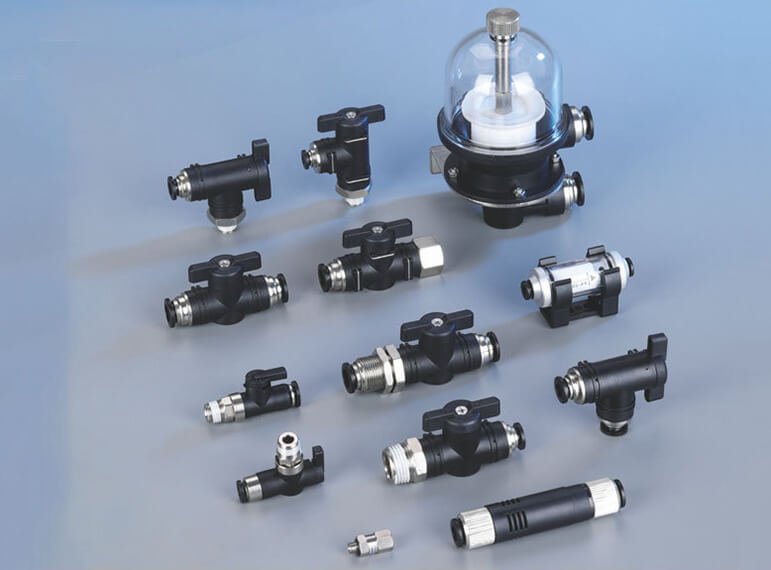
Choosing the right fittings for hydraulic and pneumatic systems is essential for ensuring safety, efficiency, and longevity. While both systems transmit power, they operate under vastly different principles, requiring specialized fittings designed to handle unique demands. In our comprehensive guide, we delve into the key differences between hydraulic and pneumatic fittings, exploring their materials, design features, and application-specific considerations. Whether you’re working with heavy machinery or lightweight automation systems, understanding these distinctions will empower you to make informed decisions that enhance performance and minimize maintenance costs. Discover how to select the perfect fittings for your needs!