
What are the three basic types of brass fittings?
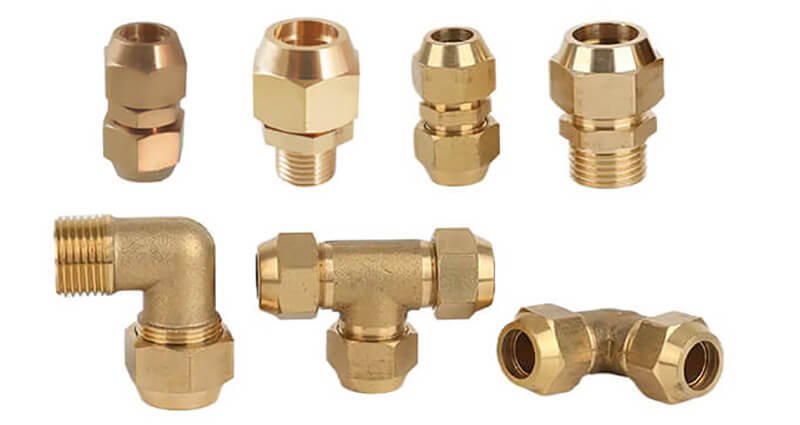
Brass fittings play an essential role in a wide range of industries, including water purification systems and pneumatic systems. Known for their strength, durability, and resistance to corrosion, brass is a popular material choice for these applications. Whether you are connecting water pipes in your home or assembling a complex pneumatic system, brass fittings ensure a reliable, leak-proof connection.
How to use brass compression fittings
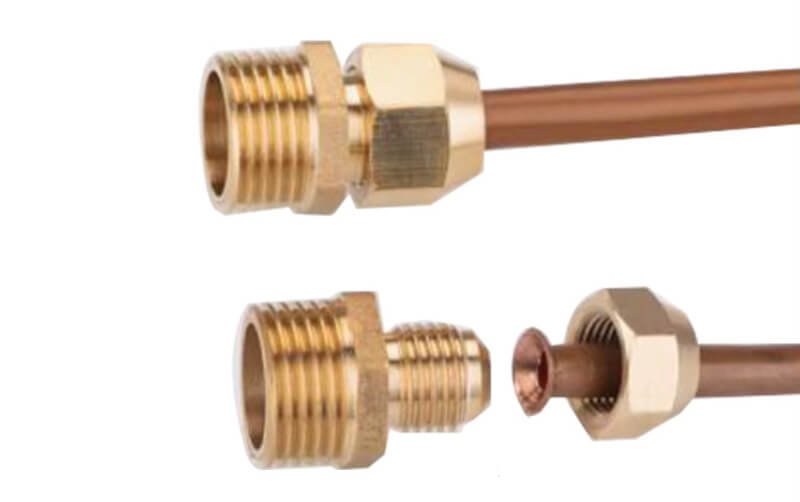
Brass compression fittings are an essential component in water filtration and purification systems, offering a reliable and durable way to connect pipes. By understanding the installation process, common mistakes to avoid, and maintenance tips, you can ensure that your fittings perform at their best for years. Regular inspection and timely replacement of worn-out fittings will help maintain a leak-free, efficient water filtration system. Proper care and attention to detail make a significant difference in ensuring your brass compression fittings continue to serve you well.
Are brass tap connectors better than plastic?
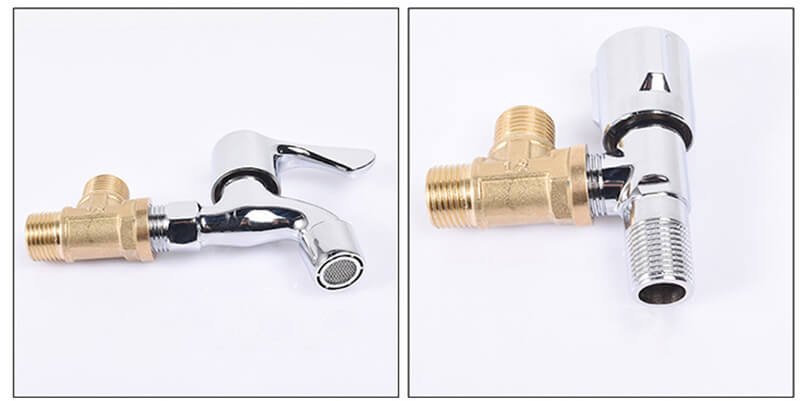
Choosing the right tap connector is essential for ensuring the effectiveness and longevity of your water filtration system. When selecting between brass and plastic tap connectors, it’s important to consider a few key factors, such as durability, cost, and performance. These two materials offer distinct advantages and disadvantages that can impact your water system’s efficiency.
What are the different types of water pipe connectors?
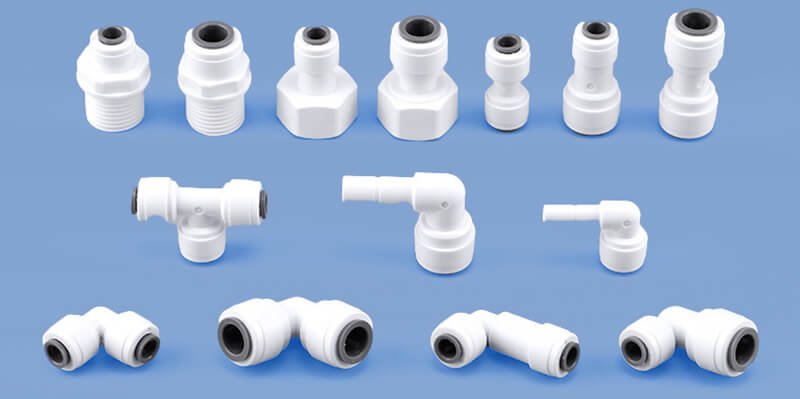
Water pipe connectors play a crucial role in both plumbing and water filtration systems. These connectors ensure a secure and leak-proof connection between pipes, enabling the safe transport of water throughout the system. Whether you’re installing a new water filter, repairing existing plumbing, or upgrading your water purification system, choosing the right connector type is essential for ensuring durability, reliability, and ease of use.
Detecting and Fixing Leaks in Push Fit Pipe Fittings
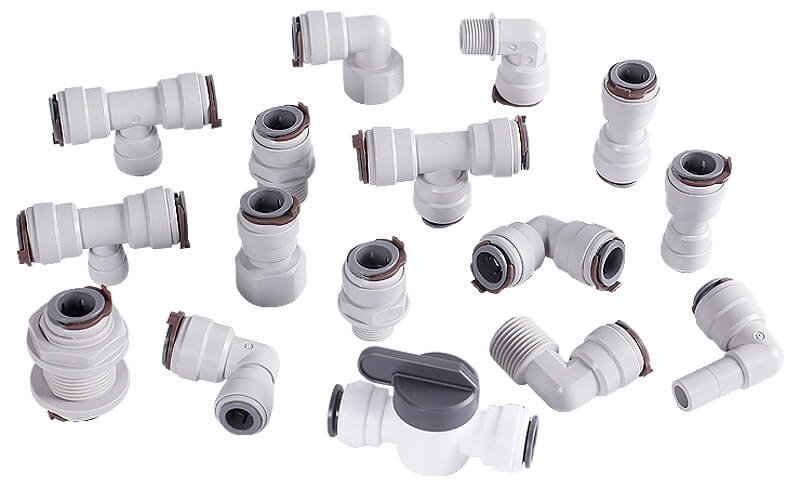
Push fit pipe fittings have become a popular choice in plumbing and water purification systems. These fittings offer a quick, secure, and reliable method for connecting pipes without the need for additional tools like wrenches or glue. Because of their ease of installation, they are widely used in both residential and commercial applications. However, like any plumbing system, leaks can occur if the fitting isn’t properly installed or maintained. Understanding how to handle a leaking push fit fitting is important to avoid water damage and maintain a fully functional system.
What Is a Water Shutoff Ball Valve?
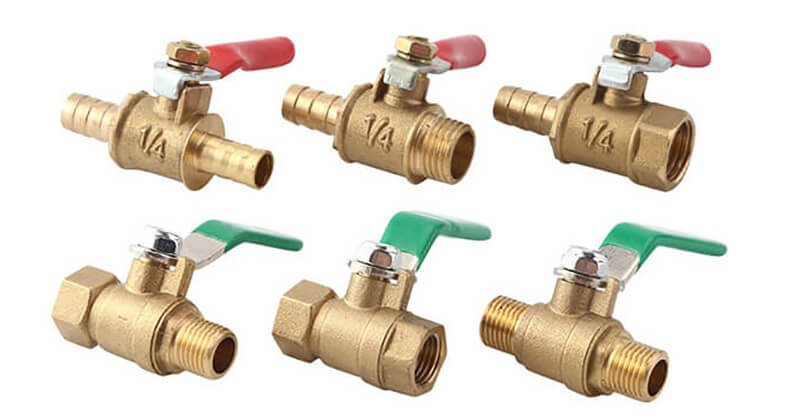
A water shutoff ball valve is a type of valve that uses a rotating ball with a hole (or port) to control the flow of water in pipes. When the valve is open, water flows freely through the hole in the ball. When the valve is closed, the ball rotates to block the hole, stopping the flow of water.
How To Install a Main Water Shutoff Ball Valve?
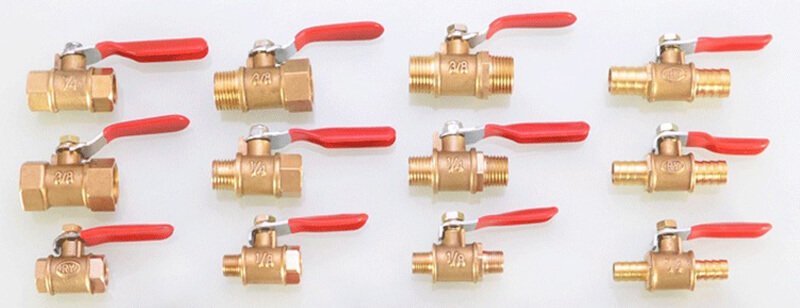
When it comes to managing the water supply in your home or business, having a reliable way to control the flow is essential. A main water shutoff ball valve plays a crucial role in this, allowing you to easily shut off the water supply in case of emergencies, repairs, or maintenance.
How to Install Shut-Off Valve on a Live Water Pipe?
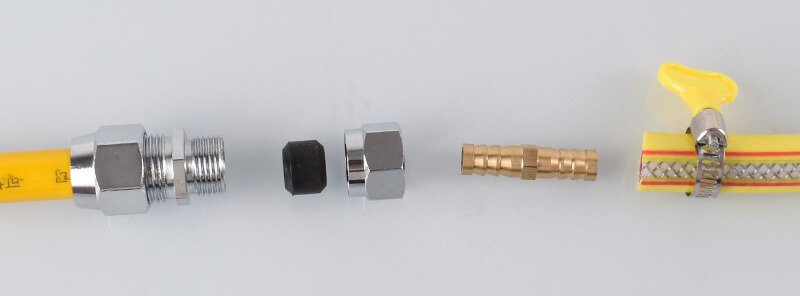
When it comes to maintaining a plumbing system, shut-off valves play a crucial role. These valves allow you to control the flow of water to specific areas of your home or business, which is especially helpful during repairs, upgrades, or emergencies. However, installing a shut-off valve on a live water pipe—meaning a pipe that is still under pressure and carrying water—can be a bit tricky, and requires special care.
How to Stop Leaking Compression Fittings?
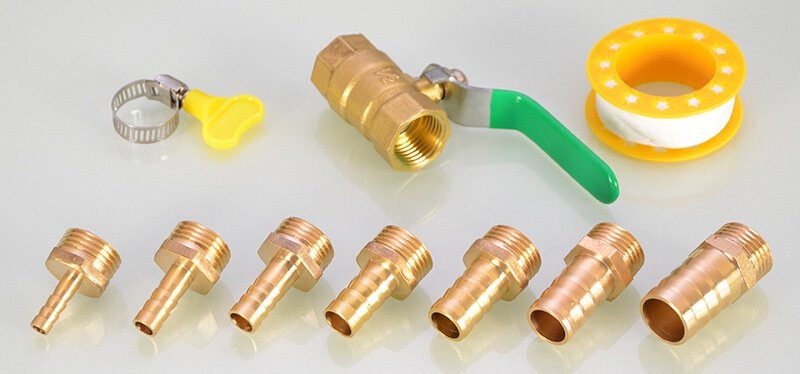
Compression fittings play a crucial role in water filter systems and plumbing by providing secure connections between pipes. These fittings create a tight seal without requiring welding or soldering, making them an essential tool for both professionals and DIY enthusiasts. However, over time, compression fittings can develop leaks, leading to water damage, reduced water pressure, and compromised performance of your filtration system.
How To Connect A Water Line To Your Refrigerator?
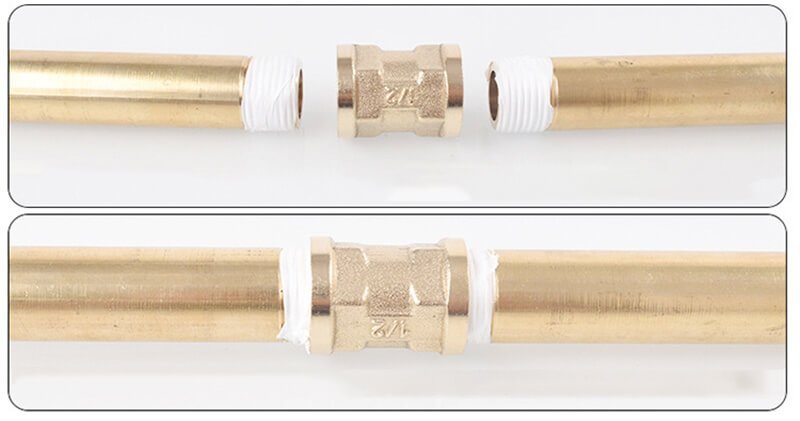
When connecting a water line to your refrigerator, it’s important to ensure that the process is done correctly to avoid leaks or damage. A properly connected water line allows your refrigerator to supply fresh water to its dispenser and make ice cubes if it has an ice maker. While this task can seem daunting, it’s something that most homeowners can do themselves with the right tools and a bit of patience. This guide will walk you through the necessary steps, from assessing your refrigerator’s requirements to testing the connection once everything is in place.