
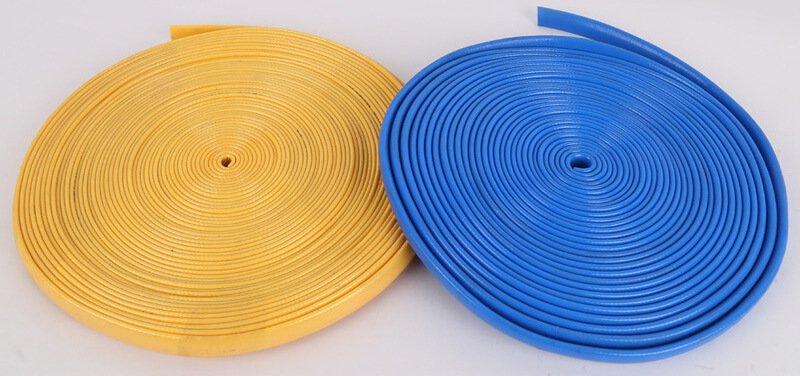
When it comes to taking care of your garden, choosing the right garden hose can make a significant difference in maintaining healthy plants and a well-watered lawn. Whether you’re watering your garden beds, shrubs, or lawn, the hose you choose plays a vital role in water efficiency, ease of use, and durability.
Selecting the perfect garden hose can be overwhelming due to the variety of options available. With so many materials, lengths, diameters, and features to consider, it’s important to understand what works best for your specific needs. The right hose not only makes watering tasks easier but also saves time and effort in the long run.
In this article, we’ll break down the key factors to consider when choosing a garden hose, including its length, material, and durability, so you can make a well-informed decision. Let’s dive into the details!
Understand Your Needs
Consider the Size of Your Garden
Before you start shopping for a garden hose, it’s important to assess the size of your garden. A small, cozy patio garden may not need the same hose as a large backyard or acreage. If you have a smaller space, a short hose may suffice, but for a large garden or lawn, you’ll need something longer to reach every corner.
A longer hose offers more flexibility and less need for frequent repositioning. However, keep in mind that longer hoses can also be heavier and more difficult to handle. If you have a larger garden, consider getting a hose that’s around 50 to 100 feet long. For smaller spaces, a hose around 25 to 50 feet will usually do the job just fine.
Type of Plants or Lawn
Your garden’s plant types will also play a big role in choosing the right hose. For example, delicate plants like flowers or shrubs might require a more controlled water flow, whereas lawns typically need a hose that can deliver a larger volume of water. If you have a vegetable garden, you may want a hose that can provide a steady, gentle stream to avoid soil erosion and root damage.
For gardens with specialized watering needs, such as a flower bed, you may want to look into options like soaker hoses, which deliver water directly to the roots of your plants. These hoses help maintain consistent moisture levels without runoff.
Watering Frequency
Think about how often you water your garden. If you’re an avid gardener who waters frequently, it’s crucial to invest in a hose that can handle consistent use. Frequent watering calls for durable, high-quality hoses that won’t break down easily. A heavy-duty hose may be worth the investment if you water your garden often.
On the other hand, if you only water your plants occasionally, a standard, lighter hose will likely be enough. Keep in mind that even lighter hoses should be made of durable materials that will last season after season.
Types of Garden Hoses
When it comes to choosing the right hose, there are several types to consider. Each type is designed with a specific purpose in mind, and understanding these differences can help you make the best choice for your garden.
1. Standard Hose
The standard garden hose is the most common type, ideal for general use. It’s usually made from a combination of rubber or vinyl, and it’s available in a variety of lengths and diameters. This hose is versatile and can handle tasks such as watering plants, washing the car, or cleaning outdoor areas.
Pros:
- Affordable
- Durable
- Widely available
Cons:
- Can be heavy for longer lengths
- Prone to kinks if not stored properly
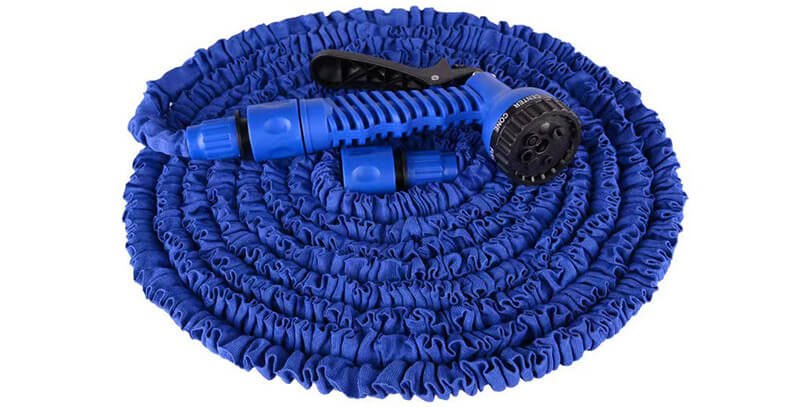
2. Expandable Hose
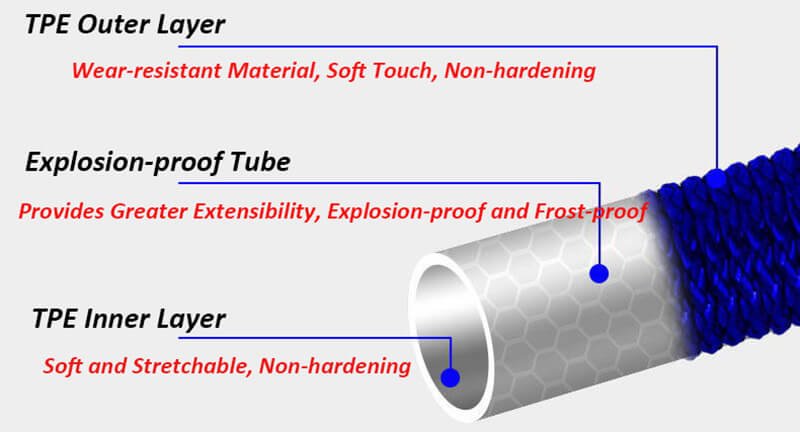
If you’re looking for a lightweight and easy-to-store option, the expandable hose might be your perfect solution. This hose is made from an inner rubber tubing that expands when water flows through it and contracts when the water is turned off.
Pros:
- Lightweight and easy to handle
- Compact for easy storage
- Flexible, perfect for tight spaces
Cons:
- Prone to wear and tear over time
- Not ideal for high-pressure use
3. Soaker Hose
A soaker hose is a great option if you need an efficient way to water garden beds and flower borders. It delivers water directly to the soil and roots, minimizing evaporation and runoff. This type of hose is perfect for deep watering and even moisture distribution.
Pros:
- Water savings through slow, consistent watering
- Great for garden beds and flower borders
Cons:
- Limited in range and coverage
- Needs to be laid flat and positioned carefully
4. Heavy-Duty Hose
For those with large gardens or high-pressure needs, a heavy-duty hose is designed to withstand frequent use and handle high-pressure water flow. These hoses are usually made from durable materials like rubber and are reinforced to prevent kinks and tangles.
Pros:
- Durable and resistant to damage
- Can handle high-pressure water
- Long-lasting
Cons:
- Heavier than other hoses
- More expensive
5. Retractable Hose
A retractable hose is an ideal choice for those looking for an easy storage solution. This type of hose automatically retracts into a compact reel, saving you the trouble of coiling it by hand.
Pros:
- Convenient storage
- Easy to use and store
- Less kinking and tangling
Cons:
- Expensive
- May not be as durable as other hoses
Hose Materials
The material of your garden hose is crucial in determining its durability, flexibility, and overall performance. Understanding the different hose materials will help you choose the best one for your needs.
Rubber Hoses
Rubber hoses are considered the most durable and flexible option. They can withstand a variety of weather conditions and are resistant to cracking and kinking, making them a top choice for gardeners who use their hoses frequently.
Pros:
- Long-lasting and weather-resistant
- Can handle high-pressure water
- Resistant to UV rays and won’t crack in the sun
Cons:
- Heavier than other hoses
- More expensive
Vinyl Hoses
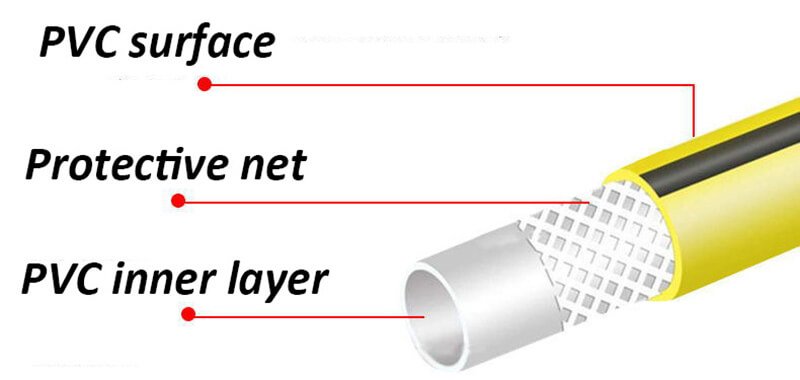
Vinyl hoses are typically lighter and more affordable than rubber hoses. They are a good option for light gardening tasks and are available in a wide range of lengths and diameters. However, they may not be as durable or flexible as rubber hoses.
Pros:
- Lightweight and affordable
- Easy to maneuver and store
- Available in multiple lengths
Cons:
- Not as durable as rubber
- Prone to cracking in extreme weather
Hybrid Hoses
Hybrid hoses are a combination of rubber and vinyl. They offer the best of both worlds, providing the flexibility and lightweight nature of vinyl with the durability and resistance to UV rays found in rubber hoses.
Pros:
- Flexible and durable
- Weather-resistant and abrasion-resistant
- Affordable compared to rubber hoses
Cons:
- Not as long-lasting as pure rubber hoses
- Slightly heavier than vinyl hoses
Polyurethane Hoses
Polyurethane hoses are known for their lightweight design and flexibility, making them a great option for those looking for an easy-to-handle hose. These hoses are also resistant to UV damage and abrasion, though they are not ideal for high-pressure use.
Pros:
- Lightweight and easy to maneuver
- Flexible and resistant to UV damage
- Great for low to medium pressure applications
Cons:
- Not as durable as rubber
- Limited pressure rating
Key Features to Consider
When choosing a garden hose, there are several key features that can impact your gardening experience. These features can make a big difference in how well your hose performs, how easy it is to use, and how long it lasts.
Length of the Hose
The length of your garden hose is one of the most important factors to consider. The right length ensures you can reach all areas of your garden without needing to move the hose around constantly.
Tip: Measure the distance from your water source to the furthest point of your garden and add a few extra feet for flexibility. Typical hose lengths range from 25 feet to 100 feet, so choose accordingly based on the size of your space.
Diameter of the Hose
The diameter of the hose determines the amount of water it can deliver at one time. Larger diameters (such as 3/4 inch) allow for more water flow, which is ideal for larger gardens or lawns. However, for small gardens, a 5/8 inch diameter is often sufficient.
Tip: If you need a hose with high water pressure for cleaning or heavy watering, a larger diameter hose will work best.
Flexibility and Maneuverability
A hose that is easy to maneuver will make your watering tasks much more efficient. Hoses that are too stiff can be difficult to move around the garden, while highly flexible hoses are easier to bend and stretch.
Tip: Look for hoses that are marketed as kink-resistant. These hoses are designed to stay flexible and won’t get tangled easily.
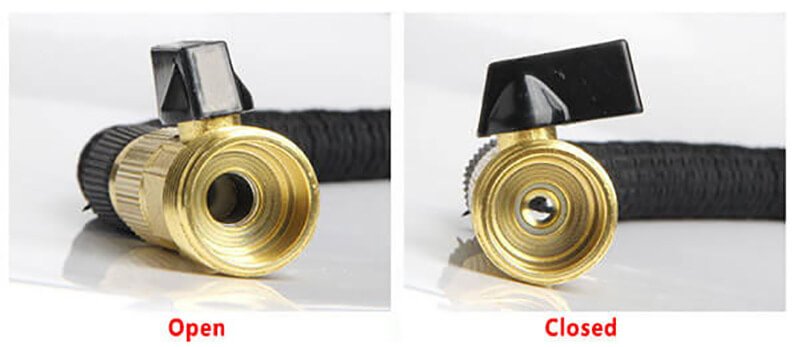
Fittings and Connectors
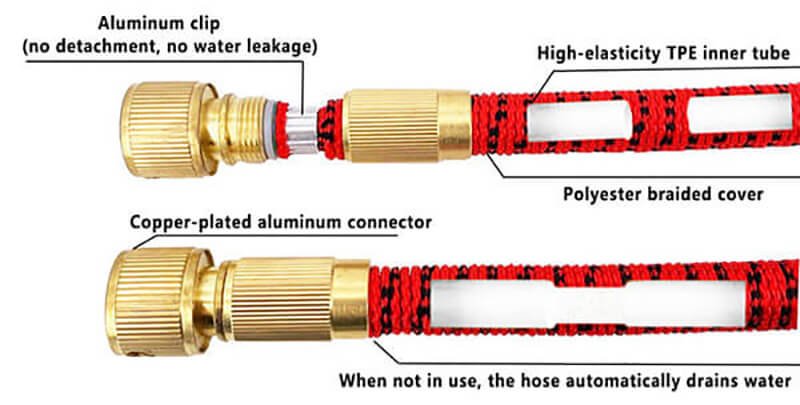
The fittings and connectors at both ends of the hose are crucial for ensuring a secure and leak-free connection to your faucet and watering equipment. Hoses with metal fittings are typically more durable than those with plastic connectors.
Tip: Choose hoses with brass or aluminum fittings for enhanced durability. Check that the fittings are compatible with your existing watering system.
Durability & Quality Considerations
The durability and quality of a garden hose are essential for long-term performance. A durable hose will withstand the elements, frequent use, and the wear and tear that comes with outdoor exposure.
UV Resistance
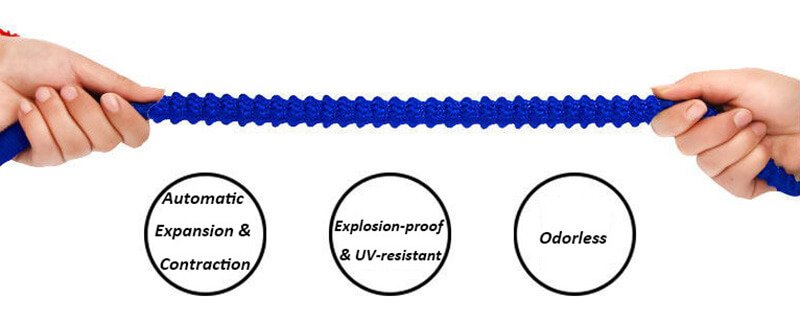
Hoses exposed to sunlight for long periods can become damaged due to ultraviolet (UV) rays. UV damage can cause hoses to crack, stiffen, or even break over time. Look for hoses that are specifically designed to be UV-resistant to ensure they last through many seasons of use.
Tip: Rubber hoses and hybrid materials typically offer better UV resistance compared to vinyl hoses.
Kink Resistance
A hose that kinks easily is frustrating to use and can lead to reduced water flow. Kink-resistant hoses are engineered to maintain their shape and flexibility, even after frequent bending.
Tip: Choose a hose that is marketed as kink-resistant. Some hoses also feature reinforced interiors to prevent kinks from forming in the first place.
Abrasion Resistance
The surface of the hose should be resistant to abrasion to avoid wear and tear from rubbing against rough surfaces like rocks, concrete, or edges of garden beds. A hose with abrasion-resistant coating will last longer and maintain its functionality.
Tip: Look for hoses with reinforced outer layers that provide extra protection against abrasions and cuts.
Freeze Resistance
If you live in a colder climate, a hose that is freeze-resistant is essential. Water left inside a hose during freezing temperatures can expand, causing the hose to crack or burst. Some hoses are specially designed to prevent freezing damage.
Tip: Consider purchasing a heavy-duty rubber hose or a freeze-resistant hybrid hose if you live in a cold region.
Pressure Rating
The pressure rating indicates how much pressure a hose can handle. For high-pressure tasks like washing cars or cleaning outdoor surfaces, choose a hose with a higher pressure rating. Make sure to choose a hose with a rating that matches the pressure output of your water source.
Tip: Check the manufacturer’s pressure recommendations to avoid damage to your hose or your water system.
Storage Options
How you store your garden hose is just as important as how you use it. Proper hose storage helps extend the lifespan of the hose and keeps your garden space neat and organized. Here are some effective storage options to consider:
Hose Reels
A hose reel is one of the best ways to store your garden hose. Hose reels come in manual, automatic, and retractable options, making it easy to wind the hose neatly after use. A hose reel not only protects the hose from kinks and abrasions, but it also keeps it off the ground, preventing potential damage from exposure to the elements.
Pros:
- Keeps the hose neat and organized
- Prevents kinks and tangles
- Easy to transport if necessary
Cons:
- Requires space for installation
- Manual reels can take time to wind up
Hose Carts
A hose cart is a mobile option that combines convenience with storage. Hose carts are especially useful for larger gardens or yards where you need to move the hose to different areas. The cart allows you to roll the hose up easily and store it without worrying about it becoming tangled.
Pros:
- Portable and easy to move
- Convenient for larger spaces
- Durable and suitable for frequent use
Cons:
- Bulkier than other storage options
- May require additional maintenance over time
Hose Hooks and Wall Mounts
For smaller gardens or limited storage space, hose hooks or wall mounts can be an ideal solution. These options allow you to hang your hose neatly on the wall, keeping it off the ground while remaining easily accessible.
Pros:
- Space-saving
- Affordable and easy to install
- Great for smaller gardens
Cons:
- May not be suitable for long hoses
- Can be difficult to use for heavier hoses
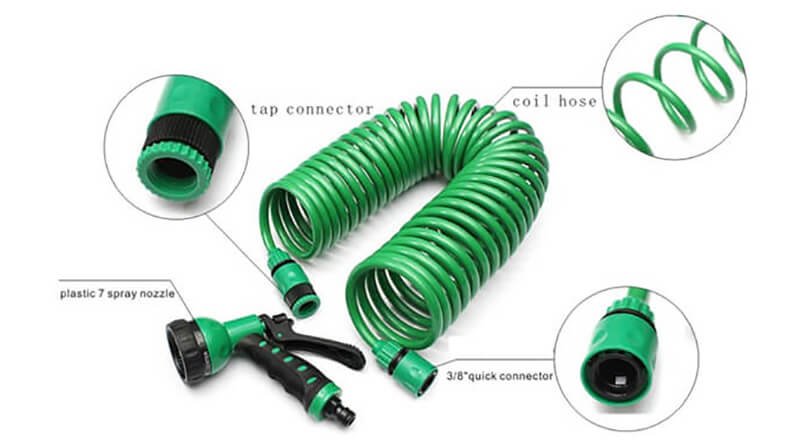
Retractable Hoses
A retractable hose is another convenient storage option. These hoses automatically retract into a compact reel when not in use, saving you time and effort while keeping the hose protected from the elements.
Pros:
- Automatic retraction for ease of use
- Compact storage
- Reduces hose tangling and damage
Cons:
- Higher initial cost
- May not be as durable for heavy-duty use
Price vs. Quality
When shopping for a garden hose, it’s important to strike a balance between price and quality. While it might be tempting to choose the cheapest option available, investing in a higher-quality hose often pays off in the long run.
Initial Cost vs. Longevity
A cheaper hose might seem like a great deal at first, but it may not last as long or perform as well as a higher-quality hose. Cheaper hoses are often made from less durable materials, which can lead to issues like cracking, kinking, or leaking over time.
Tip: A higher-quality hose, though more expensive upfront, may save you money in the long run due to its durability and long lifespan. It’s worth investing in a hose that will stand the test of time.
Durability and Performance
Durable hoses are designed to withstand the rigors of regular use, whether you’re watering the garden, washing the car, or tackling other outdoor tasks. Look for hoses with strong materials like rubber or hybrid compounds that are resistant to UV rays, abrasions, and kinks. These features may cost more initially but will ensure you get reliable performance year after year.
Tip: If you’re planning on using the hose frequently or in demanding conditions, prioritize quality over price to avoid constantly replacing low-cost options.
When to Opt for a Budget-Friendly Hose
If you’re just starting out with a small garden or need a hose for occasional tasks, a budget-friendly hose may be perfectly suitable. Look for affordable options that still offer essential features such as a reasonable length and basic resistance to kinks.
Tip: For light use, a vinyl hose with a good warranty can be a cost-effective solution without sacrificing much in performance.
Long-Term Value
Consider the total cost of ownership over time. A more expensive hose that lasts longer and requires fewer repairs or replacements can often be a better investment than repeatedly buying cheaper hoses.
Tip: Think about the overall value—what you spend initially should align with how much you’ll use the hose and how long you expect it to last.
Customer Reviews and Recommendations
When purchasing a garden hose, customer reviews and recommendations can be invaluable resources. Reading what other gardeners have experienced with different products can help you make a more informed decision.
Why Customer Reviews Matter
Customer reviews offer insights into how a hose performs over time and in real-world conditions. They provide feedback on factors like durability, flexibility, and ease of use that you might not be able to assess in a store. Reviews also help you identify common issues or complaints, such as hoses that develop leaks or become stiff after a few uses.
Tip: Pay attention to ratings and overall satisfaction. Look for patterns in the reviews, such as repeated comments about the hose being kink-resistant or lightweight, which can indicate the product’s true quality.
What to Look for in Reviews
When browsing through reviews, focus on reliable and detailed feedback from people who have used the hose in similar conditions to your own. For example, if you’re looking for a hose for a small garden, read reviews from others with similar garden sizes. Additionally, consider looking for video reviews or photos shared by customers to get a better understanding of the hose in action.
Tip: Pay special attention to long-term reviews that mention how the hose held up over a season or more. This can help you gauge its durability and performance over time.
Recommendations from Gardening Communities
Gardening forums, blogs, and social media groups often provide recommendations based on real-life experiences. These platforms can be a great way to learn about hoses that are well-suited to your specific needs. Recommendations from other gardeners can point you toward hoses that perform well in your climate or for your garden type.
Tip: Don’t hesitate to ask for personal recommendations on gardening platforms or forums where others share their experiences with different hoses.
Conclusion
Choosing the right garden hose can significantly impact the efficiency of your gardening tasks and the overall health of your plants. With so many options available, it’s essential to consider your specific needs, including the size of your garden, the type of plants, and how often you water. By evaluating the types of hoses, materials, and key features, you can find a hose that offers the best balance of durability, flexibility, and ease of use.
Final Tips for Choosing the Best Garden Hose
- Measure your space and select the right length for your garden.
- Focus on durability to ensure the hose lasts through multiple seasons.
- Consider flexibility and ease of use for a more enjoyable watering experience.
- Don’t forget to check customer reviews for real-world feedback on performance and quality.
By keeping these factors in mind, you can make a well-informed choice that will save you time, money, and frustration in the long run. Remember, a good garden hose is an investment in the success and enjoyment of your gardening efforts. Take your time to choose wisely, and your garden will thank you!