
When it comes to outdoor tasks like gardening, washing your car, or watering plants, a reliable garden hose is a must-have tool. However, without the right connection between your hose and the water supply, these tasks can become frustrating. This is where a tap adapter comes into play.
A tap adapter is a simple yet essential accessory that allows you to connect your garden hose to various types of outdoor taps. By using a tap adapter, you ensure that your hose fits securely, prevents leaks, and provides consistent water flow for all your outdoor activities.
In this article, we’ll walk you through what a tap adapter is, why choosing the right one is crucial, and how to easily connect it to your garden hose and tap.
What is a Tap Adapter?
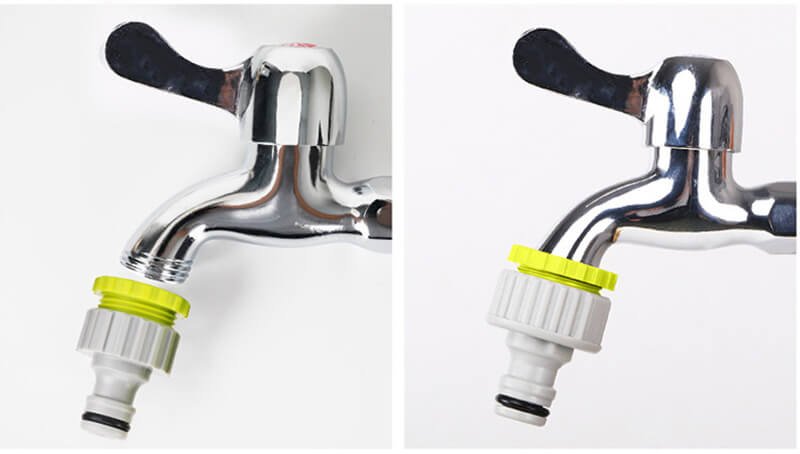
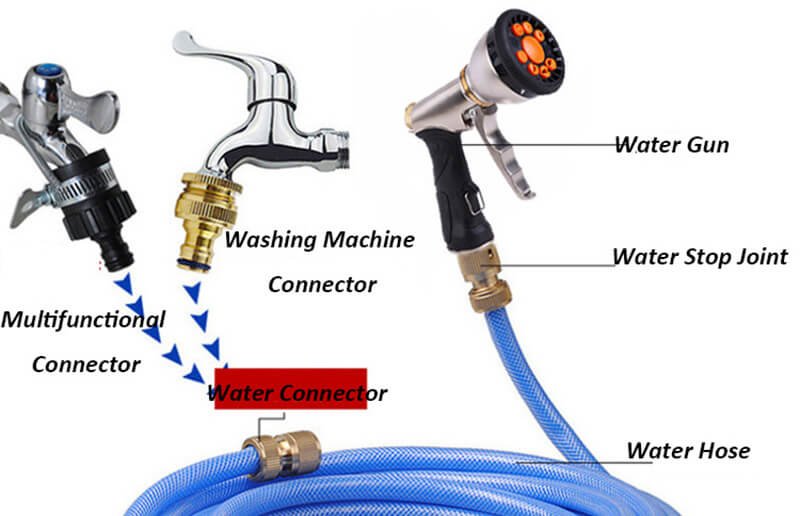
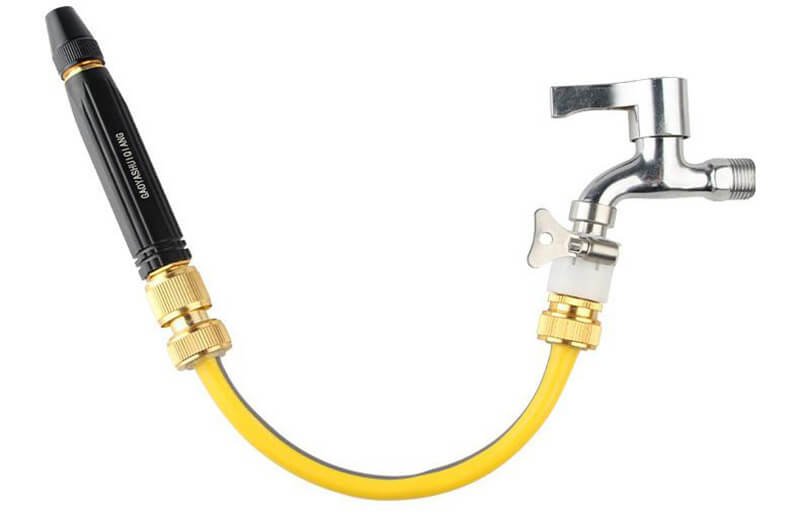
A tap adapter is a fitting that connects your garden hose to the outdoor tap or faucet. It acts as an intermediary that makes the connection possible, especially when the threads or size of the tap don’t match the hose fitting.
These adapters come in various sizes and designs to accommodate different types of taps, ensuring a snug and secure connection. Some tap adapters have a quick-connect mechanism, allowing for a faster and more efficient setup, while others use a screw-on style, providing a more traditional but reliable connection.
Why is it Important to Use the Right Tap Adapter?
Prevent Leaks and Water Wastage
Using the wrong tap adapter can lead to poor connections, resulting in leaks. Leaks not only waste water but can also cause damage to your hose and tap over time. A well-fitted tap adapter ensures a tight seal, preventing any unnecessary water loss and keeping your tasks efficient.
Avoid Damage to Your Hose and Tap
If the adapter doesn’t match the tap or hose properly, excessive force may be needed to make the connection, which can damage the threads on both the hose and the tap. The right adapter will fit seamlessly, ensuring that neither the tap nor hose is compromised.
Ensure Proper Water Flow
When you use the right adapter, it ensures the hose receives a steady, uninterrupted flow of water. A poor connection can disrupt water pressure, affecting tasks like watering plants or washing your car. Properly connected adapters maintain optimal water flow, making your work much easier.
Step-by-Step Guide on How to Connect a Tap Adapter
Connecting a tap adapter to your garden hose and outdoor tap is a simple process. Follow this easy, step-by-step guide to ensure a proper connection:
Step 1: Prepare Your Garden Hose and Tap
Before you start, make sure both your garden hose and outdoor tap are ready for the connection.
- Check the Tap: Ensure the tap is turned off, and the threads are clean and undamaged.
- Inspect the Hose: Make sure your garden hose is in good condition, with no visible leaks or damage at the fitting end.
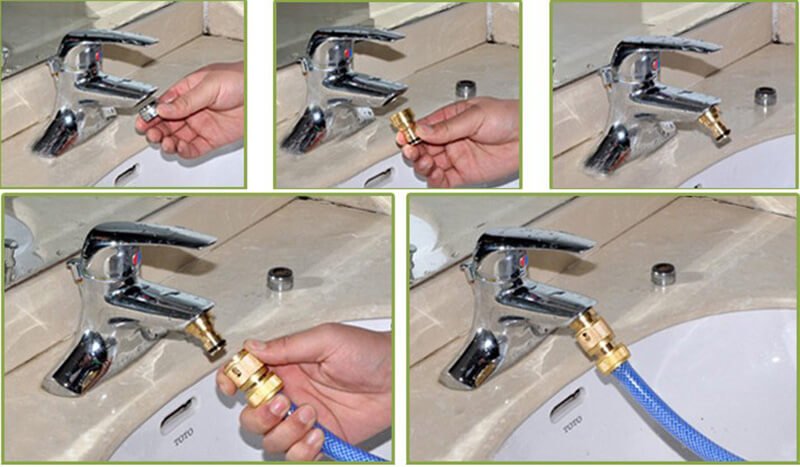
Step 2: Attach the Tap Adapter to the Tap
- Align the Adapter: Take your tap adapter and align it with the threads of the outdoor tap. Ensure the threads match the size of your tap and the adapter is positioned correctly.
- Screw On the Adapter: Gently screw the tap adapter onto the tap. Be careful not to overtighten, as this can damage the threads. Tighten by hand until it feels secure.
Step 3: Secure the Hose Fitting to the Adapter
Now that your adapter is securely attached to the tap, it’s time to connect your garden hose.
- Align the Hose Fitting: If you’re using a screw-on hose fitting, make sure the hose fitting aligns with the adapter’s connection point. If you’re using a quick-connect fitting, align it to the corresponding adapter part.
- Attach the Hose: For screw-on connections, twist the hose fitting onto the adapter, turning it clockwise until it’s snug. For quick-connect fittings, push the hose fitting onto the adapter until it clicks into place.
Step 4: Check for Leaks and Tightness
After both the hose and adapter are securely connected, it’s time to check for any leaks.
- Turn on the Water: Slowly turn on the tap to allow water to flow through the hose. Inspect the connections for any signs of leaks around the tap adapter or the hose fitting.
- Tighten if Necessary: If you notice a leak, tighten the connection slightly by hand, but don’t overtighten. If the leak persists, check for any damage to the threads or adapter and replace if needed.
Step 5: Test the Water Flow
Finally, test the water flow to make sure everything is working properly.
- Open the Tap Fully: Turn on the tap to its full flow and observe the water coming through the hose.
- Ensure Consistent Pressure: The water pressure should remain consistent, with no interruptions or weak flow. If the pressure is low, ensure the hose and adapter are securely connected.
Tips for Ensuring a Proper Connection
To ensure that your tap adapter connection is secure and leak-free, consider the following tips:
1. Use Teflon Tape or Silicone Sealant
For added security, you can apply Teflon tape or silicone sealant to the threads of the tap and the adapter. This will help create a tight seal and prevent water from leaking around the connection.
- Wrap the Teflon tape around the threads of the tap, applying it evenly in a clockwise direction.
- Alternatively, apply a thin layer of silicone sealant to the threads before screwing on the adapter.
2. Don’t Overtighten the Connections
While it’s important to ensure a tight connection, overtightening can damage both the tap and the hose fitting. Always hand-tighten the connections, and if necessary, use a wrench or pliers for a little extra torque, but be gentle.
3. Regularly Inspect the Connections
After use, inspect the connection regularly for signs of wear or loosening. Over time, exposure to water pressure and weather conditions can cause the adapter to become loose. Tighten the connection if necessary to maintain a secure fit.
4. Keep the Threads Clean
Make sure the threads on both the tap and the adapter are clean and free from debris. Dirt or debris can cause poor connections and lead to leaks. Regularly clean the threads to keep the connection in top condition.
Troubleshooting Common Issues
Even with the best care, you may encounter some common issues with your tap adapter. Here’s how to troubleshoot and resolve them:
1. Leaks Around the Connection
If you notice water leaking from around the adapter, try the following:
- Tighten the Connection: Ensure the adapter and hose are securely connected.
- Check for Damage: Inspect the adapter for cracks or damage. Replace it if necessary.
- Use Sealant or Tape: Apply Teflon tape or silicone sealant to create a tighter seal.
2. The Adapter Doesn’t Fit the Tap
If the adapter doesn’t fit your tap, it could be due to one of the following reasons:
- Incorrect Size: Check that you’ve measured the tap size correctly. If the adapter is too large or small, try a different size.
- Wrong Thread Type: Ensure the thread type on your tap (BSP, NPT, etc.) matches the adapter. If the threads are incompatible, you may need an adapter with the correct thread type.
3. Low Water Pressure
Low water pressure can occur if the adapter is improperly installed or if there is a blockage:
- Check for Blockages: Inspect the hose and adapter for any blockages or kinks that might restrict water flow.
- Ensure Proper Fit: Make sure all connections are properly tightened and there are no gaps.
4. Difficulty Removing the Adapter
If the adapter is difficult to remove after use, try these methods:
- Use Lubricant: Apply a small amount of lubricant or silicone spray around the threads to help loosen the connection.
- Use a Wrench: Gently use a wrench to loosen the adapter, but avoid applying too much force to prevent damage.
Conclusion
A tap adapter is an essential tool that allows you to easily connect your garden hose to outdoor taps. By following the right steps and using the proper adapter, you can enjoy smooth and efficient water flow for all your outdoor tasks, from gardening to washing your car.
Remember to choose the right adapter based on the size, material, and thread type of your tap, and always take care to ensure a secure, leak-free connection. With these simple steps and tips, you’ll be ready to get your garden hose set up and working effectively in no time.