
If you’re looking for an efficient way to water your garden, a tripod sprinkler might be exactly what you need. These versatile sprinklers are designed to cover a large area with minimal effort, making them ideal for lawns, flower beds, and vegetable gardens. Whether you’re new to gardening or an experienced horticulturist, a tripod sprinkler can help maintain a healthy garden by ensuring even water distribution.
In this article, we’ll explore what a tripod sprinkler is, how it works, and why it could be the perfect addition to your garden irrigation system. By the end, you’ll have a clear understanding of how to use it to your advantage and make the most of your watering routine.
What is a Tripod Sprinkler?
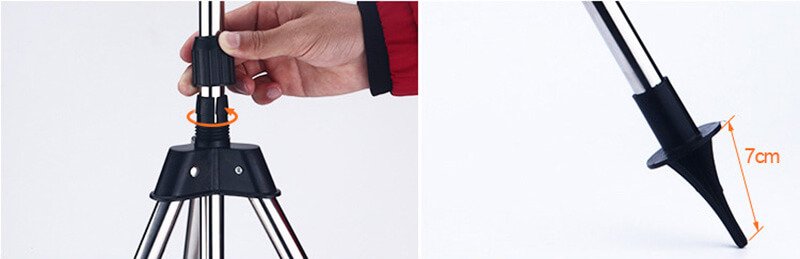
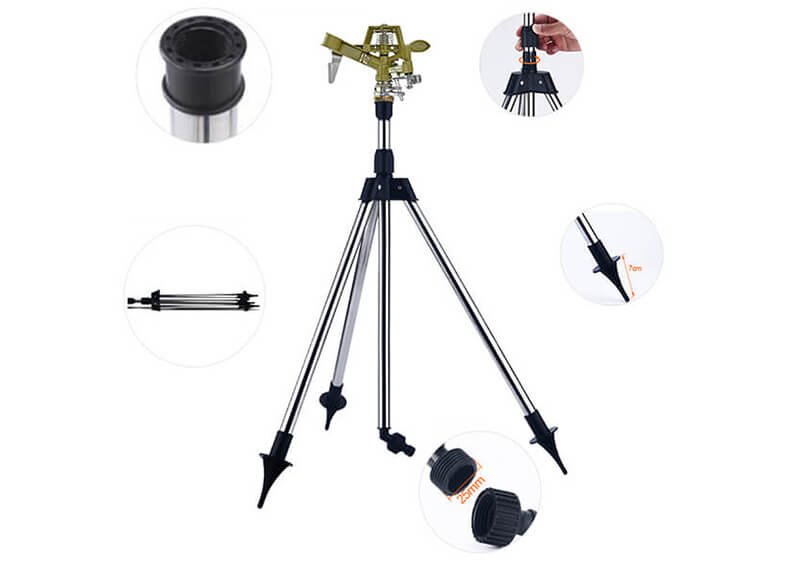
A tripod sprinkler is a type of adjustable sprinkler mounted on a tripod base, allowing you to water your garden with precision and flexibility. It consists of a rotating sprinkler head attached to a tripod stand that can be raised or lowered to change the height of the spray. This adjustability helps tailor the water coverage based on the needs of your garden.
Key Features of a Tripod Sprinkler
- Adjustable Height: The tripod stand can be raised or lowered, allowing you to control the spray height and coverage area.
- Rotating Head: The sprinkler head rotates, spreading water evenly across a designated area, ensuring efficient irrigation.
- Wide Coverage: Tripod sprinklers are designed to cover a large area, making them ideal for watering lawns, flower beds, or even larger garden spaces.
How It Differs from Other Sprinklers
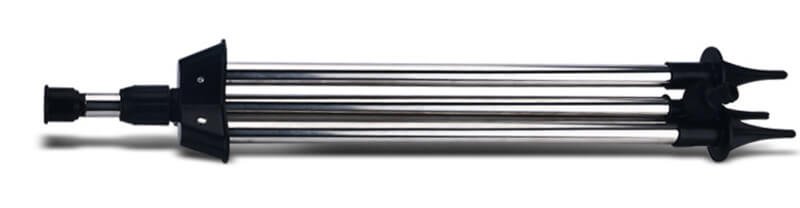
Unlike stationary sprinklers that can only cover a fixed area, the tripod sprinkler offers greater versatility. The adjustable tripod allows for customizable spray patterns and heights, which helps water your garden more effectively. It can also be moved easily, making it a great choice for gardens of various sizes.
With these key features, a tripod sprinkler provides an easy, cost-effective way to water your garden with minimal maintenance.
How Does a Tripod Sprinkler Work?
A tripod sprinkler is designed to provide efficient and customizable water distribution across your garden. The basic working mechanism involves water flow from a connected hose being directed through the sprinkler head, which then rotates to cover a large area.
Water Flow and Rotation
- The water enters the sprinkler head from the hose and is dispersed through multiple holes or nozzles.
- The sprinkler head rotates, causing the water to be evenly sprayed over a circular or rectangular area, depending on the settings.
- The tripod stand ensures that the sprinkler remains stable and at the desired height, which can be adjusted to control the spray radius.
Adjusting the Spray
One of the best features of the tripod sprinkler is its height adjustability. By raising or lowering the tripod, you can increase or decrease the spray’s coverage. Higher settings allow for broader coverage, while lower settings create a more focused spray for specific areas. Some models also offer the option to change the angle of the sprinkler head, giving you even more control over the water distribution.
In summary, a tripod sprinkler works by rotating and dispersing water across a set area, with the flexibility to adjust both height and angle to suit your specific watering needs.
Benefits of Using a Tripod Sprinkler
Using a tripod sprinkler offers numerous benefits for garden irrigation. Whether you’re trying to maintain a lush lawn or keep your flower beds thriving, this tool can make watering much more efficient.
Efficient Watering
A tripod sprinkler provides an even distribution of water, ensuring that all areas of your garden receive the right amount of moisture. The rotating sprinkler head covers a wide radius, preventing dry spots and promoting healthy plant growth.
Versatile Coverage
One of the main advantages of a tripod sprinkler is its adjustability. You can modify both the height and angle of the sprinkler to cover large or small areas. Whether you’re watering a narrow flower bed or a large lawn, you can easily adjust the tripod to suit your needs.
Easy to Use and Move
Tripod sprinklers are portable, allowing you to move them around your garden as needed. Their lightweight design makes it easy to relocate them to different areas, so you can water various sections of your garden without hassle.
Saves Time and Effort
With a tripod sprinkler, you don’t need to manually move sprinklers or worry about uneven watering. The automated rotation takes care of the watering process for you, freeing up your time for other gardening tasks.
Suitable for Various Garden Types
Tripod sprinklers are ideal for different types of gardens, from lawns to flower beds to vegetable gardens. Whether your garden is flat or uneven, the adjustable stand helps ensure that water is applied effectively.
Factors to Consider When Choosing a Tripod Sprinkler
When choosing the right tripod sprinkler for your garden, several factors should be taken into account. Understanding these key elements will help you select the best model for your specific needs.
1. Coverage Area
The size of your garden will determine how large an area the sprinkler needs to cover. Some tripod sprinklers are designed to cover small areas, while others can handle larger lawns or garden spaces. Always check the coverage radius to ensure the sprinkler is suitable for your garden size.
2. Water Pressure
Tripod sprinklers typically require a certain level of water pressure to function properly. Low pressure might result in uneven water distribution, while high pressure may cause excessive water wastage. Choose a model that is compatible with your water pressure to achieve optimal performance.
3. Material and Durability
The materials used to construct the sprinkler, such as rust-resistant metals or high-quality plastics, will affect its durability and lifespan. Opt for models that offer sturdy tripod bases and weather-resistant components, especially if you live in areas with extreme weather conditions.
4. Adjustability Features
Look for a tripod sprinkler that offers adjustable features, such as height, angle, and spray pattern. The more customizable the sprinkler is, the easier it will be to meet your garden’s specific watering needs.
5. Ease of Use and Setup
Choose a model that is easy to set up and adjust. Some tripod sprinklers feature tool-free adjustments, making them quick to modify for different watering tasks. Check user reviews to ensure the setup process is hassle-free.

How to Set Up and Use a Tripod Sprinkler
Setting up and using a tripod sprinkler is a simple process, but following these steps will ensure that your garden receives efficient and effective irrigation.
Step 1: Position the Tripod
Start by placing the tripod in the area where you want to water. Make sure the ground is relatively level for stability. Adjust the tripod legs to the desired height, depending on the area you want to cover. You can usually extend the legs for taller settings or keep them shorter for more focused coverage.
Step 2: Connect the Hose
Next, connect your garden hose to the inlet of the sprinkler. Ensure the connection is secure to prevent leaks. It’s important to use a hose that is long enough to reach the sprinkler’s position comfortably.
Step 3: Adjust the Spray Pattern
Many tripod sprinklers allow you to adjust the spray pattern and direction. Use the settings on the sprinkler head to control the flow of water. Some models have a rotating head that can cover a circular area, while others allow for more specific spray patterns, such as a rectangular or fan-shaped pattern.
Step 4: Turn on the Water
Once everything is set, turn on the water supply. Watch the sprinkler’s performance to ensure that it’s spraying the water evenly and covering the intended area. If needed, adjust the height, angle, or spray pattern for optimal coverage.
Step 5: Monitor and Move if Necessary
As the sprinkler rotates and distributes water, monitor the area being watered. If you need to cover a different section of the garden, simply move the tripod to another location and repeat the process.
Step 6: Turn Off and Store
Once watering is complete, turn off the water supply and disconnect the hose. Store the sprinkler in a dry place to prevent damage, especially in colder climates where freezing temperatures may affect its components.

Maintenance and Care Tips
To ensure that your tripod sprinkler continues to perform efficiently for years to come, regular maintenance and care are essential. Here are some simple tips to help you keep your sprinkler in top shape.
1. Clean the Sprinkler Head Regularly
Over time, dirt, debris, and mineral buildup can clog the sprinkler nozzles, affecting water distribution. Make it a habit to clean the sprinkler head periodically. Use a soft brush or cloth to remove any obstructions. For stubborn buildup, soak the head in a mixture of water and vinegar to dissolve the minerals.
2. Check for Leaks
Inspect the hose connection and sprinkler body for any leaks or cracks. Leaks can waste water and reduce the sprinkler’s efficiency. If you notice any issues, tighten the hose connection or replace any damaged parts.
3. Store Properly
When not in use, always store the sprinkler in a dry, cool place. Avoid leaving it outside in extreme weather conditions, especially during winter when freezing temperatures can damage the components. If you live in a region with cold winters, consider removing the sprinkler and storing it indoors.
4. Protect from Freezing
If your tripod sprinkler is exposed to freezing temperatures, ensure it is drained completely before storing it. Water left inside the sprinkler could expand and cause damage.
By following these simple maintenance steps, you can prolong the life of your tripod sprinkler and ensure it continues to work effectively.
Common Problems and Troubleshooting
Like any garden tool, tripod sprinklers can sometimes experience issues. Here are some common problems and how to fix them.
1. Uneven Water Distribution
If your sprinkler is not distributing water evenly, check for clogged nozzles or incorrect spray pattern settings. Clean the sprinkler head and adjust the settings to ensure the water is being sprayed as intended. You can also check the water pressure—too low a pressure can lead to poor performance.
2. Water Flow is Weak
A weak water flow can be caused by a low water pressure or a blocked nozzle. First, check that the hose connection is secure. If the pressure is low, consider using a pressure booster or check if your hose is kinked or damaged. Clean the nozzle to remove any buildup that could be restricting water flow.
3. Sprinkler Does Not Rotate
If the sprinkler head isn’t rotating, it may be due to a jammed mechanism or low water pressure. Inspect the moving parts for debris and clean them if necessary. If the mechanism seems stuck, gently move it by hand to see if it becomes unstuck. Ensure the water pressure is sufficient for rotation.
4. Leaking Water
Leaks can occur if there is a loose connection between the hose and the sprinkler. Tighten the hose connection and check for cracks or damage in the sprinkler body. If there are any cracks, you may need to replace the sprinkler.
By understanding these common issues and applying the troubleshooting steps, you can keep your tripod sprinkler running smoothly and efficiently.
Conclusion
A tripod sprinkler is a versatile and efficient tool for maintaining a healthy garden. Its ability to cover large areas with adjustable height and customizable spray patterns makes it an ideal choice for various garden types. By following the tips in this guide, you can easily set up, use, and maintain your tripod sprinkler to ensure optimal performance.