
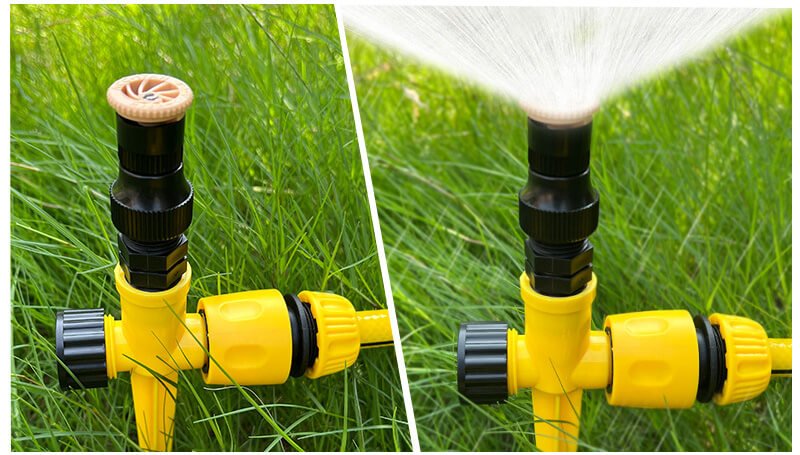
A healthy garden requires consistent and efficient watering. One of the most effective ways to ensure your plants thrive is by using a garden sprinkler. However, with so many different types available, choosing the best sprinkler for your garden can be overwhelming.
Whether you have a small lawn, a flower bed, or a large vegetable garden, selecting the right sprinkler can save time, water, and effort. The right choice will not only provide your plants with the necessary moisture but also improve water distribution and reduce wastage.
In this article, we will help you navigate the different types of sprinklers and highlight key factors you should consider to make an informed decision for your garden.
Factors to Consider When Choosing a Sprinkler
Before you pick a sprinkler, it’s important to evaluate several factors that will influence its effectiveness for your specific garden needs. Understanding these factors will ensure that you select the right sprinkler type for optimal performance.
Garden Size
The size of your garden is one of the most crucial factors to consider. For small gardens, a stationary sprinkler or spray nozzle might be sufficient, while larger lawns or garden areas might require a rotary or oscillating sprinkler that covers a wider area.
Large gardens often need sprinklers with adjustable coverage to ensure every corner gets watered evenly. It’s important to match the sprinkler’s range to the size of your garden for efficient water use.
Water Pressure
Your water pressure can significantly affect the performance of your sprinkler. Low water pressure may limit the sprinkler’s ability to cover a large area effectively, and the water stream may not reach far enough.
On the other hand, high water pressure might cause overspray and wastage. Be sure to check your home’s water pressure before selecting a sprinkler, as some models are designed specifically for low pressure, while others work best with high pressure.
Sprinkler Coverage Area
Different sprinklers are designed to cover different areas. Some provide a wide spray pattern, while others offer more focused coverage. If you have a rectangular garden, an oscillating sprinkler can cover the length and width evenly, while a rotary sprinkler is perfect for round or irregularly shaped areas.
It’s essential to assess the coverage needs of your garden to avoid wasting water on areas that don’t require it, and to ensure the sprinkler reaches all the plants.
Garden Layout
The layout of your garden plays a key role in determining which sprinkler will be most effective. Gardens with irregular shapes or obstacles (like trees or pathways) might benefit from sprinklers with more adjustable or targeted sprays.
For example, impulse sprinklers are excellent for uneven terrain or gardens with curves and slopes. Meanwhile, for uniform gardens with simple designs, stationary or oscillating sprinklers can provide even coverage.
Climate Considerations
Your local climate should also influence the type of sprinkler you choose. In dry climates, consider sprinklers that minimize evaporation, like drip irrigation systems. These systems provide targeted watering directly to the roots, reducing water loss.
In areas where rainfall is frequent, you may need a sprinkler with adjustable settings to control the amount of water dispensed, ensuring you don’t overwater your plants. Always consider the weather conditions of your region when choosing a sprinkler.
Types of Sprinklers
When it comes to choosing the right sprinkler for your garden, there are several types available, each designed to meet specific needs. Below are the most common types of sprinklers and their features, helping you decide which one is best suited for your garden.
1. Oscillating Sprinklers
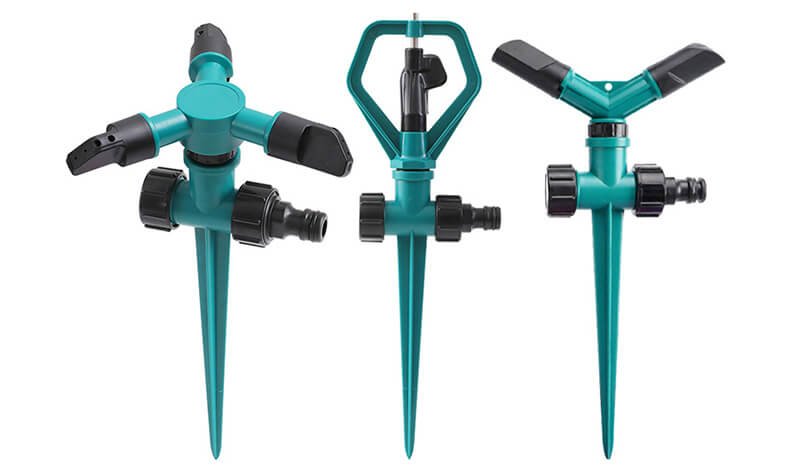
Oscillating sprinklers are a popular choice for rectangular or square-shaped gardens. They feature a row of nozzles that move back and forth in a wide, rectangular pattern, providing even water distribution over a large area.
- Best for: Medium to large rectangular gardens or lawns.
- Pros: Even coverage, adjustable spray width, and distance.
- Cons: Not ideal for irregularly shaped gardens or windy conditions.
2. Rotary Sprinklers
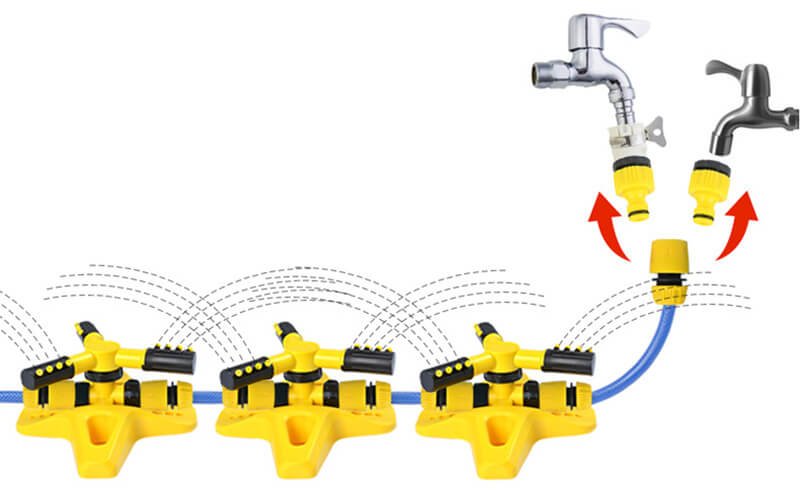
Rotary sprinklers are designed to rotate and deliver water in a circular pattern. They are perfect for large, round, or irregularly shaped gardens. These sprinklers usually have one or more arms that rotate around a central point, dispersing water over a wide area.
- Best for: Large, round, or irregularly shaped gardens.
- Pros: Covers large areas, adjustable spray distance.
- Cons: Can be more expensive and may require higher water pressure.
3. Stationary Sprinklers
Stationary sprinklers are fixed in one position and spray water in a set pattern, either in a small circle or a narrow line. These sprinklers are ideal for small gardens or specific areas that need targeted watering.
- Best for: Small gardens, flower beds, or individual plants.
- Pros: Inexpensive, easy to set up, and simple to use.
- Cons: Limited coverage, not ideal for larger lawns.
4. Impulse Sprinklers
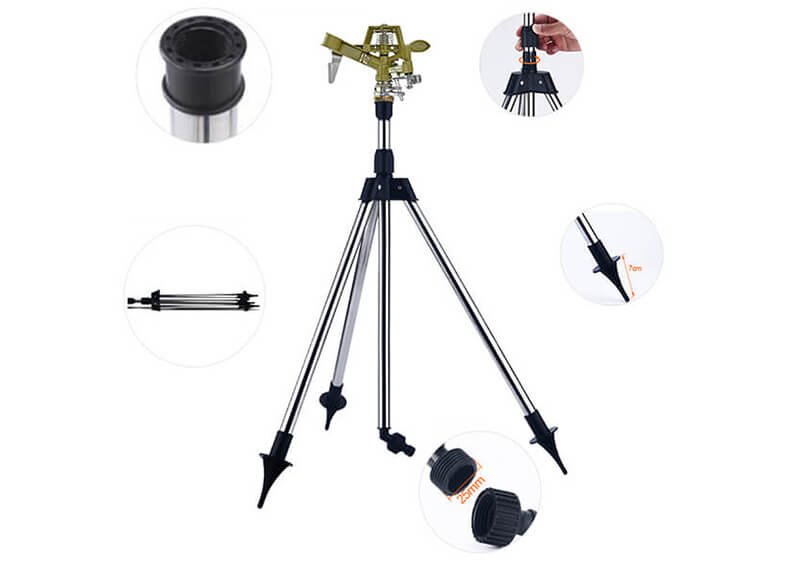
Impulse sprinklers are designed to water uneven or sloped areas. These sprinklers have a spinning arm that moves when the water hits, providing even coverage even in irregularly shaped spaces. They are highly adjustable and can be used for both small and large areas.
- Best for: Sloped or uneven terrain, irregularly shaped gardens.
- Pros: Adjustable spray pattern, great for challenging landscapes.
- Cons: Can be difficult to control in windy conditions.
5. Drip Irrigation Systems
While not technically a “sprinkler,” drip irrigation systems are an efficient watering solution. These systems deliver water directly to the plant roots through a series of tubes and emitters. This method minimizes evaporation and is especially water-efficient.
- Best for: Flower beds, vegetable gardens, and drought-prone areas.
- Pros: Water-saving, highly efficient, targeted watering.
- Cons: More expensive, requires installation and maintenance.
6. Spray Nozzles
Spray nozzles are small, handheld or attachable devices that spray water in a fixed pattern. They are often used on hoses and are ideal for targeted watering of specific areas, such as flower beds or small lawns.
- Best for: Small, targeted watering tasks.
- Pros: Easy to use, great for small areas, adjustable spray patterns.
- Cons: Limited coverage for larger areas, can lead to uneven watering.
Pros and Cons of Different Sprinkler Types
Each type of sprinkler has its advantages and drawbacks. Understanding these pros and cons will help you make the best choice for your garden’s needs.
1. Oscillating Sprinklers
Pros:
- Even Water Distribution: Oscillating sprinklers provide uniform coverage over rectangular or square-shaped gardens, ensuring your plants receive consistent watering.
- Adjustable Spray: The spray width and distance can be adjusted to fit the size of your garden, making it versatile.
- Good for Lawns: They are excellent for medium to large lawns, offering efficient water distribution.
Cons:
- Limited for Irregular Shapes: These sprinklers are less effective for curved or irregularly shaped gardens since they primarily provide a rectangular pattern.
- Wind Sensitivity: Wind can impact the spray, leading to uneven watering and potential water wastage.
2. Rotary Sprinklers
Pros:
- Wide Coverage: Rotary sprinklers can cover large areas due to their rotating arms, making them ideal for large gardens or lawns.
- Adjustable Range: You can control the distance and spray pattern, which is beneficial for customizing water coverage.
- Ideal for Round Gardens: These sprinklers are great for circular or irregularly shaped areas.
Cons:
- High Water Pressure Requirement: Rotary sprinklers typically require higher water pressure to operate effectively, which could be a limitation if your water pressure is low.
- Higher Cost: These sprinklers can be more expensive than other types, especially those with advanced features.
3. Stationary Sprinklers
Pros:
- Simple and Inexpensive: Stationary sprinklers are easy to use and inexpensive, making them ideal for those with small gardens or limited budgets.
- Easy to Set Up: You don’t need any complex installation or adjustments. Simply place it in your desired location, and it’s ready to water.
- Targeted Watering: They are great for watering specific areas, such as flower beds or individual plants.
Cons:
- Limited Coverage: Stationary sprinklers are best suited for small areas and may not be ideal for large lawns.
- Fixed Spray Pattern: Since these sprinklers are stationary, they do not offer the flexibility of adjusting the spray pattern, limiting their versatility.
4. Impulse Sprinklers
Pros:
- Ideal for Uneven Terrain: Impulse sprinklers are excellent for sloped or uneven landscapes, ensuring even water distribution in difficult areas.
- Adjustable Settings: You can adjust the spray angle and pattern, providing flexibility for various garden layouts.
- Durable: These sprinklers are often more robust and durable, lasting longer in challenging conditions.
Cons:
- Wind Sensitivity: Like other rotating sprinklers, wind can affect the water distribution, leading to waste or uneven coverage.
- Higher Maintenance: These sprinklers may require more maintenance and occasional adjustments to keep them functioning properly.
5. Drip Irrigation Systems
Pros:
- Water-Efficient: Drip irrigation systems are among the most water-efficient options available, as they deliver water directly to the plant roots, minimizing waste.
- Reduced Evaporation: Since the water is applied directly to the soil, evaporation loss is minimized, making it perfect for dry climates.
- Targeted Watering: Great for flower beds, vegetable gardens, and plants that need specific watering amounts.
Cons:
- Higher Initial Cost: Drip systems can be more expensive to install compared to traditional sprinklers.
- Maintenance Required: These systems may require periodic maintenance, such as cleaning clogged emitters and ensuring the tubing is intact.
6. Spray Nozzles
Pros:
- Easy to Use: Spray nozzles are simple to attach to hoses and allow for easy watering in targeted areas like flower beds, pots, or small lawns.
- Adjustable Spray Patterns: Many nozzles feature adjustable spray patterns, providing flexibility for different watering needs.
- Cost-Effective: These nozzles are often affordable and readily available, making them a great option for those on a budget.
Cons:
- Limited Coverage: Spray nozzles are not suitable for covering large areas, especially large lawns or extensive garden spaces.
- Water Waste: If not adjusted properly, spray nozzles can lead to water wastage through overspray or inconsistent coverage.
How to Choose the Right Sprinkler for Your Garden
Choosing the right sprinkler is essential for maintaining a healthy garden. By considering a few key factors, you can ensure that your plants receive the proper watering without wasting water. Here are the steps to help you choose the best sprinkler for your garden:
Match Sprinkler Type to Garden Size
The size of your garden will greatly influence the type of sprinkler you need. If you have a small garden or specific areas that need targeted watering, stationary sprinklers or spray nozzles may be sufficient. For larger lawns or gardens, consider oscillating or rotary sprinklers, which offer wider coverage.
- Small Gardens: Stationary sprinklers, spray nozzles.
- Medium to Large Gardens: Oscillating, rotary sprinklers.
Consider Water Pressure
Your water pressure plays a vital role in determining which sprinkler will perform best. If you have low water pressure, opt for sprinklers designed for this condition, such as drip irrigation systems or impulse sprinklers. If your pressure is high, you can use sprinklers that require more water force, like rotary sprinklers.
- Low Water Pressure: Drip irrigation, impulse sprinklers.
- High Water Pressure: Rotary sprinklers, oscillating sprinklers.
Evaluate the Garden Layout
If your garden is irregularly shaped or has many obstacles, such as trees or pathways, consider sprinklers with adjustable spray patterns like impulse sprinklers or rotary sprinklers. For rectangular gardens, oscillating sprinklers are perfect for even coverage. Matching the sprinkler to your garden’s layout will ensure efficient and uniform watering.
- Irregular Shapes: Impulse, rotary sprinklers.
- Rectangular Gardens: Oscillating sprinklers.
Account for Local Climate
In dry climates, you might want to choose a water-efficient sprinkler, such as a drip irrigation system, which delivers water directly to the roots and minimizes evaporation. For wet or moderate climates, oscillating or rotary sprinklers may work well, as they cover large areas and are easily adjustable to prevent overwatering.
- Dry Climates: Drip irrigation systems.
- Wet Climates: Oscillating, rotary sprinklers.
Selecting the right sprinkler for your garden can make a significant difference in how well your plants thrive. By carefully considering factors like garden size, water pressure, layout, and climate, you can choose a sprinkler that meets your needs while saving time and water.